
Our Impact
StrongMinds is showing that low-cost, evidence-based depression care can have a significant and lasting impact on people and their families.
Key indicators:
-
Total people reached
-
Direct impact on an individual’s symptoms
-
Indirect impact on household and family
-
Cost-effectiveness
-
Qualitative research and stories
Direct Impact
2 Million +
People
Treated for
depression to date.
$10.55
Current cost to treat one person for depression
74%
Of participants, on average, are
depression-free after therapy ends.
Spillover Effects
Indirect Impacts
For every woman who recovers from
depression, four members of
her family feel the benefits
8 Million
people indirectly benefiting
from household and
community spillover effects
Benefits to Individuals and Their Families

27.8% increase
in people who report not missing work in the past week at 12 months.
28% increase
in adolescents who rate their grades as “good”, “very good”, and “excellent” after completing therapy.
82% increase
in clients who report having someone to turn to for support, up from 63% before therapy.

+0.5
additional meals per day consumed by children of therapy participants (1.8 → 2.3).
Reaching More People, More Efficiently
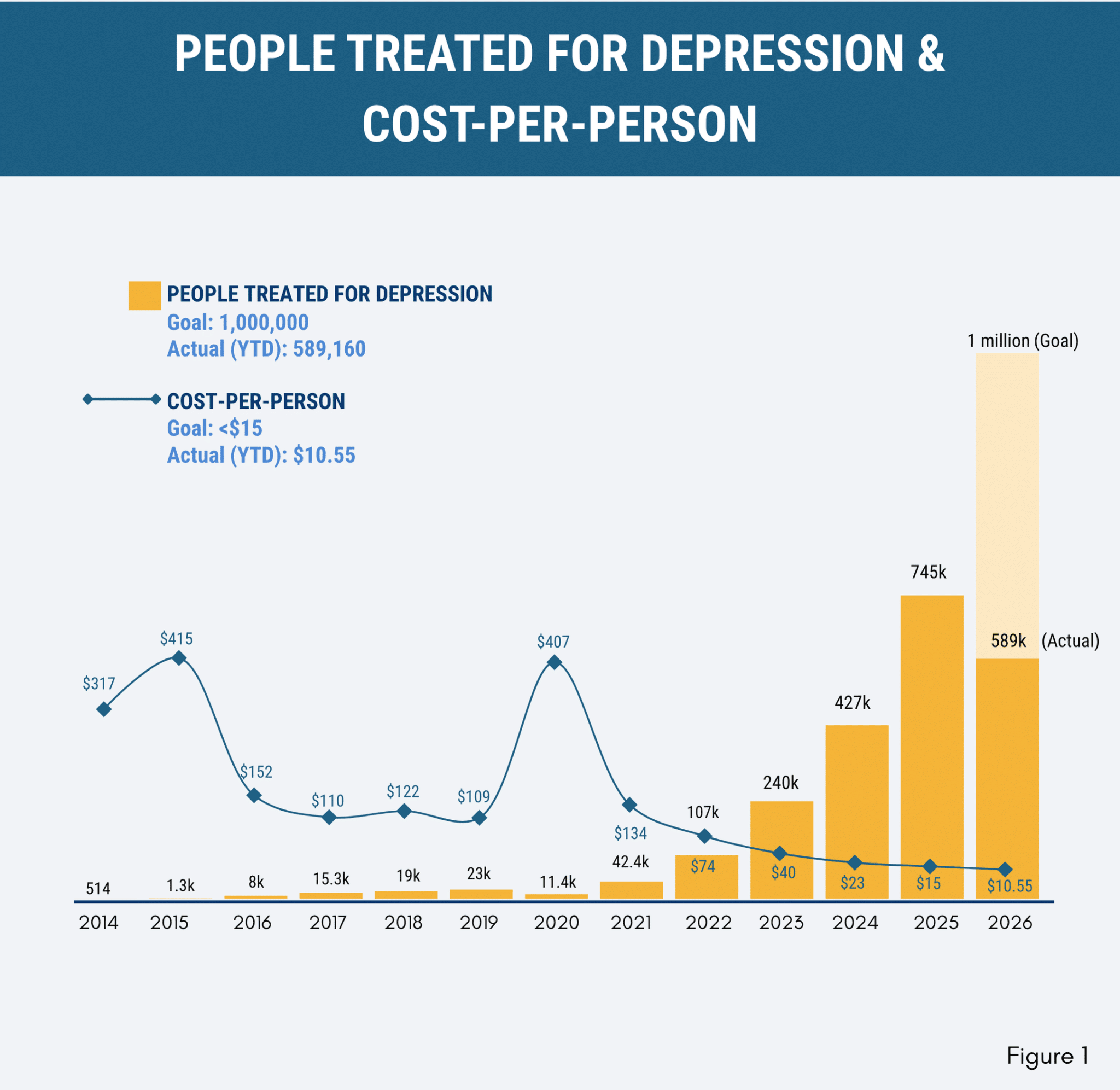
As StrongMinds has scaled, the number of people treated for depression has grown every year, while the cost to treat each person has steadily declined. Together, these trends show that our model doesn’t just grow, it gets more efficient as it grows, allowing us to reach more people for every dollar donors invest. See this impact demonstrated below in Figure 1.
Depression Symptoms Reduction
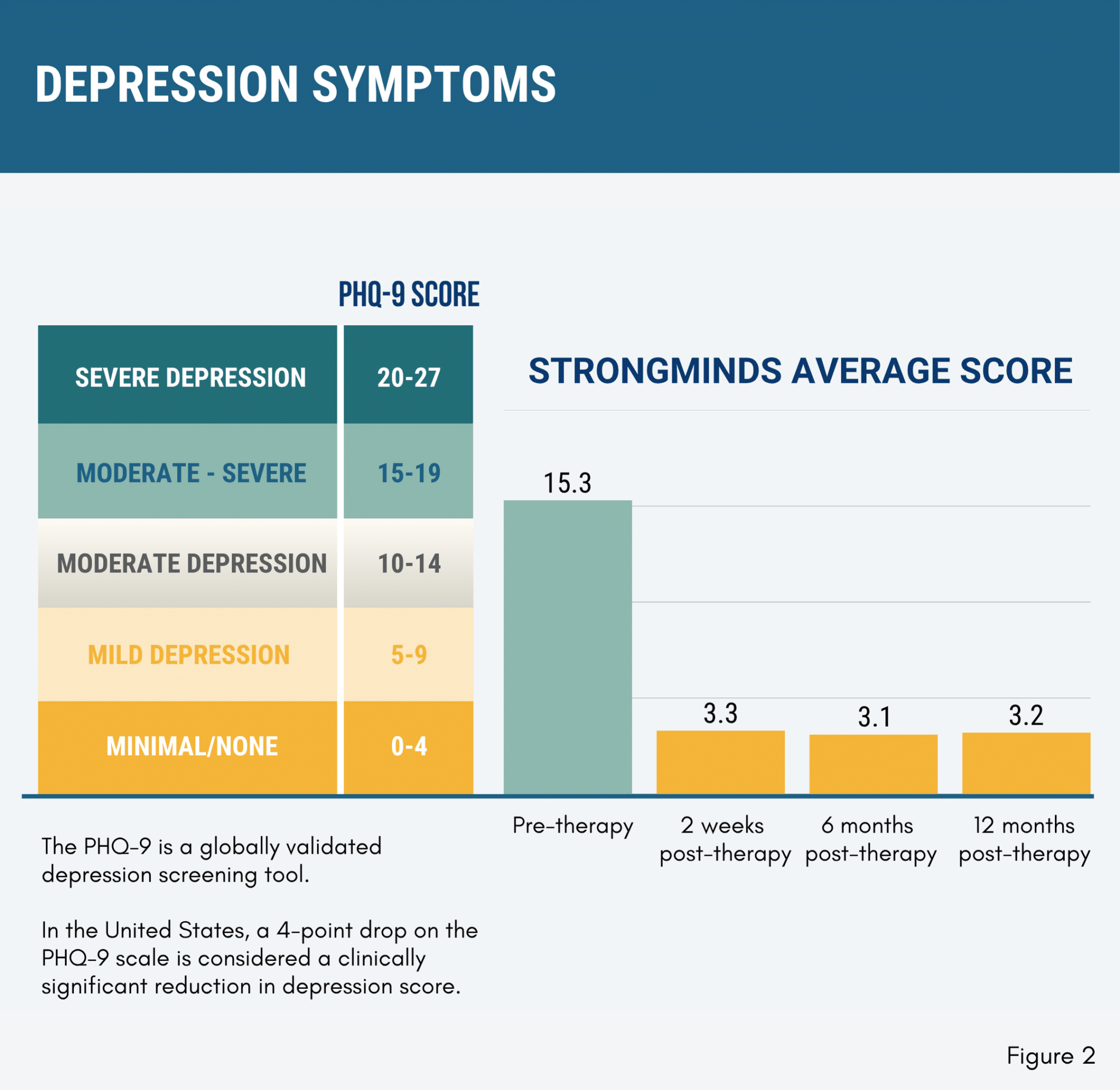
Using the PHQ-9, the standard clinical measure of depression severity, StrongMinds clients start therapy in the moderate to severe range, averaging 15.3. Within two weeks of completing treatment, that average drops to 3.3, essentially symptom-free, and it holds steady at 3.1 and 3.2 at six and twelve months later. This shows that our therapy doesn’t just relieve symptoms in the moment. It produces relief that lasts. See this impact demonstrated below in Figure 2.
Subjective Well-Being
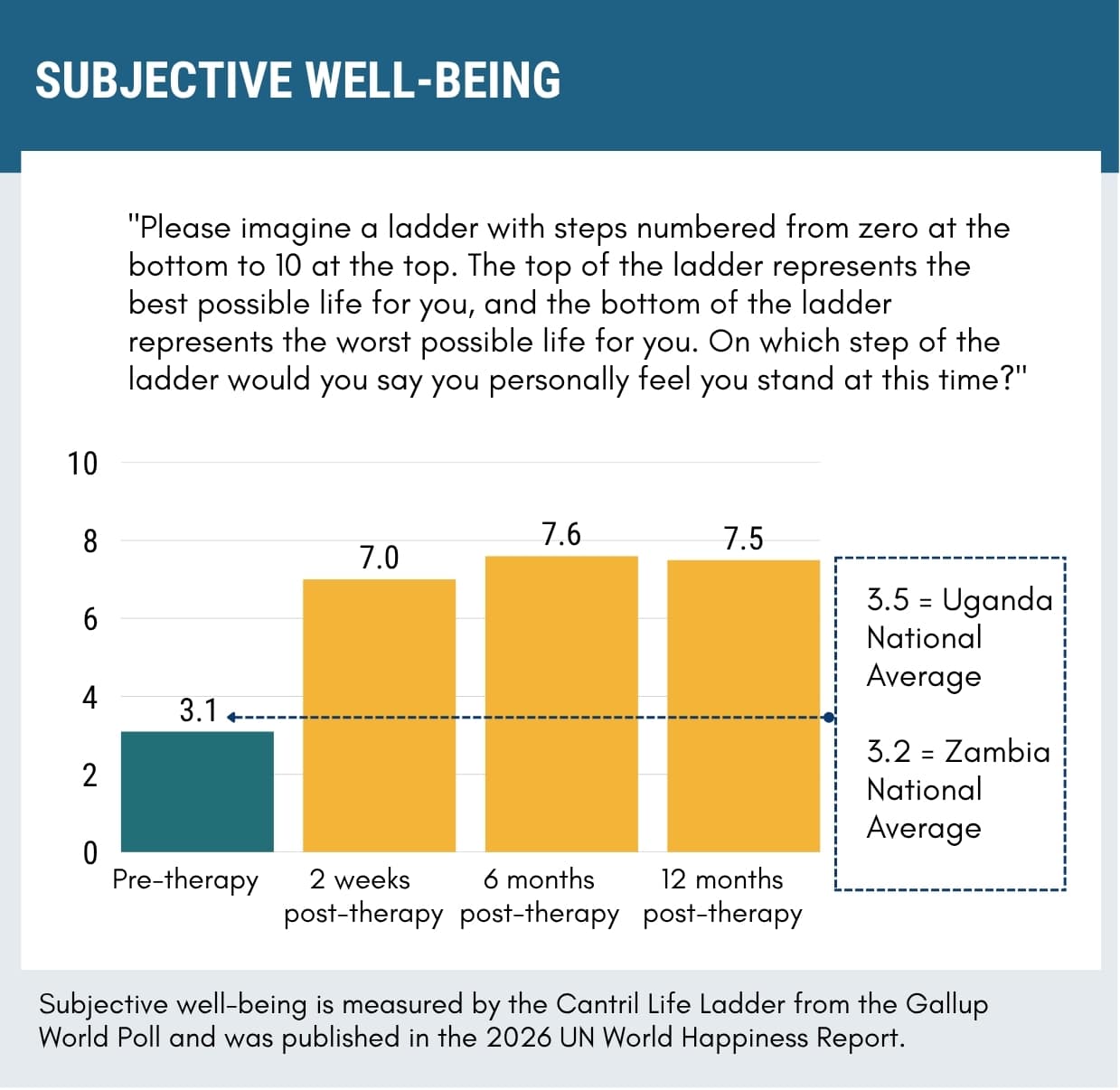
The Cantril Ladder doesn’t just ask whether depression symptoms have eased; it asks people to weigh their whole life against their own idea of the best one possible. After therapy, StrongMinds clients report a level of well-being well above the national average, a gain that holds a full year later. This shows that our therapy doesn’t just treat an illness. It restores a sense of possibility.
Government Partnerships
StrongMinds scales through government partners like the Ministries of Health and Education across Uganda, Zambia, Kenya, Tanzania, and Malawi to embed depression treatment into the public systems communities already rely on, rather than building parallel programs.
Through our district-led mental health integration program, this approach goes even further, with district governments taking full ownership of delivery, weaving depression care into services like antenatal care and HIV treatment, and reporting progress into national systems. The result is treatment that can scale from a single district to a national program, and continue long after our direct involvement ends.
We provide the training, technical guidance, and quality assurance governments need to deliver our therapy model themselves, integrating treatment into existing health and education services, and setting their own targets.
Building Connection and Personal Agency
Transforming lives and livelihoods
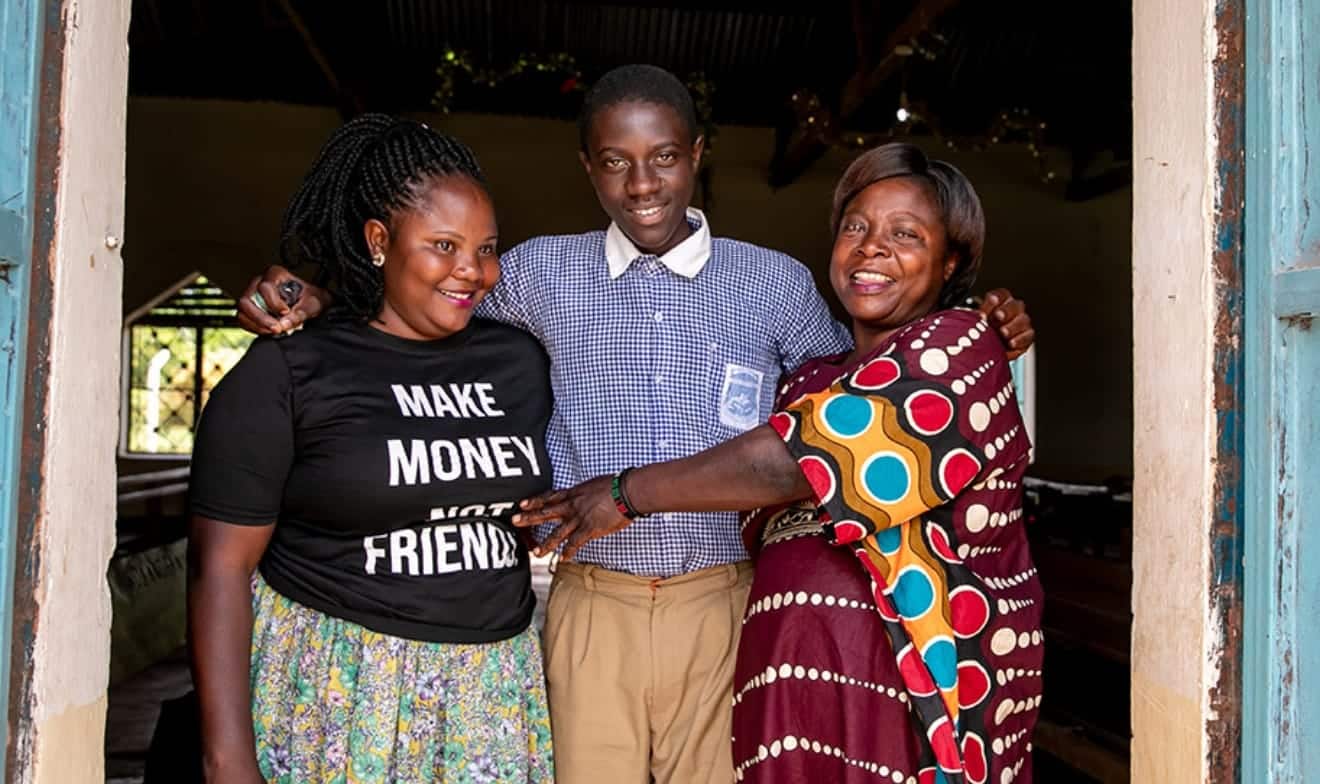

“Before therapy, I didn’t have a direction at all. I did random jobs with no thought of ever being able to have my own business. But, the therapy group gave me a chance to engage with great minds. Because of my experiences in the group, my mind-set totally changed. With the savings I made, I was able to start my own business six months after finishing therapy. It’s funny to know that it doesn’t even take that much capital to start up if you have the right advice.”
TAKE ACTIONIf you’d like to help expand this impact, visit our Philanthropy & Partnerships page.

How StrongMinds Responds to Clients at Risk of Suicide
Suicidality is a global mental health problem, with some statistics estimating that up to 19% of chronically depressed individuals have reported suicide attempts. At StrongMinds,…
READ MORE
In Conversation: Rose and Her Lifetime of Community Work From Community Mobilization to Mental Health
Rose has spent more than two decades at the heart of community work in Kabwe, Zambia, in the same area where she was born and…
READ MORE
The Small Victories That Signal Depression Recovery
There isn’t always a moment when someone recovering from depression says, “I feel better.” More often, recovery reveals itself quietly. A mother who has spent…
READ MORE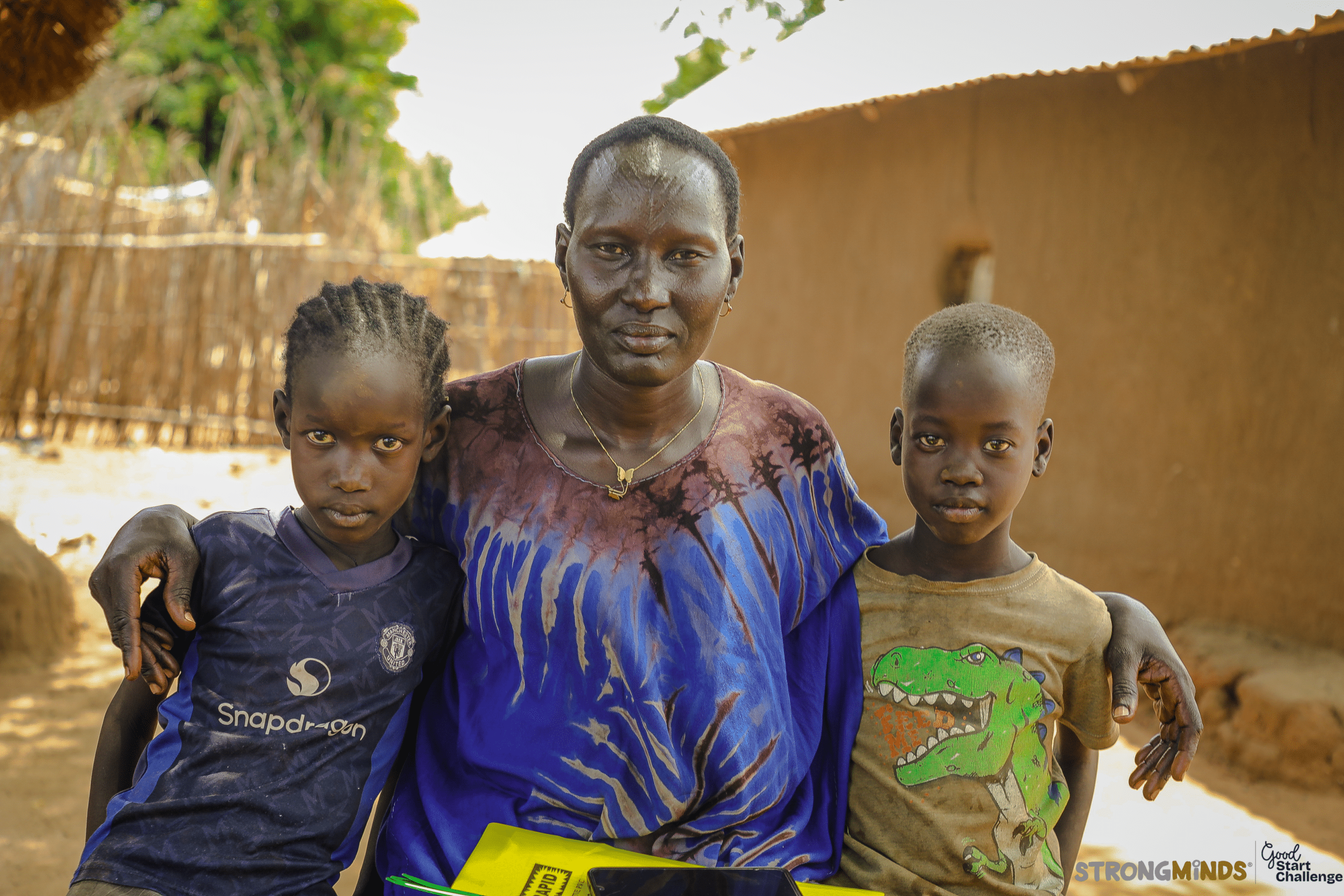
Meet Monica: Mother, Leader, Mental Health Advocate
Each morning in the Nyumanzi refugee settlement in northern Uganda, Monica Akot begins her day the same way many mothers do. She prepares her children…
READ MORE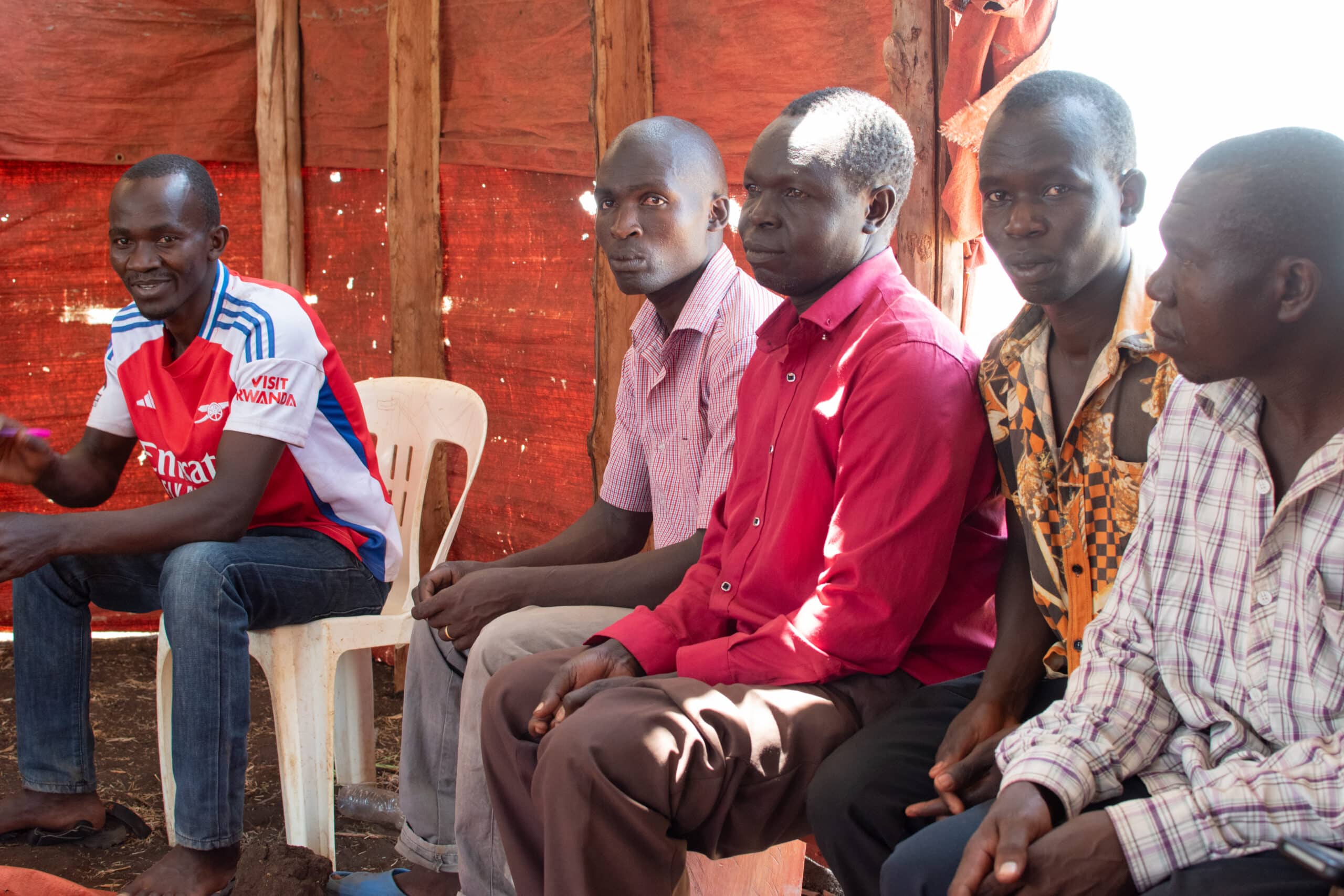
Men Finding Healing Through Therapy in Africa
Men’s Mental Health Awareness Month is a time to recognize a critical but often overlooked issue: the mental well-being of men. Globally, men die from…
READ MORE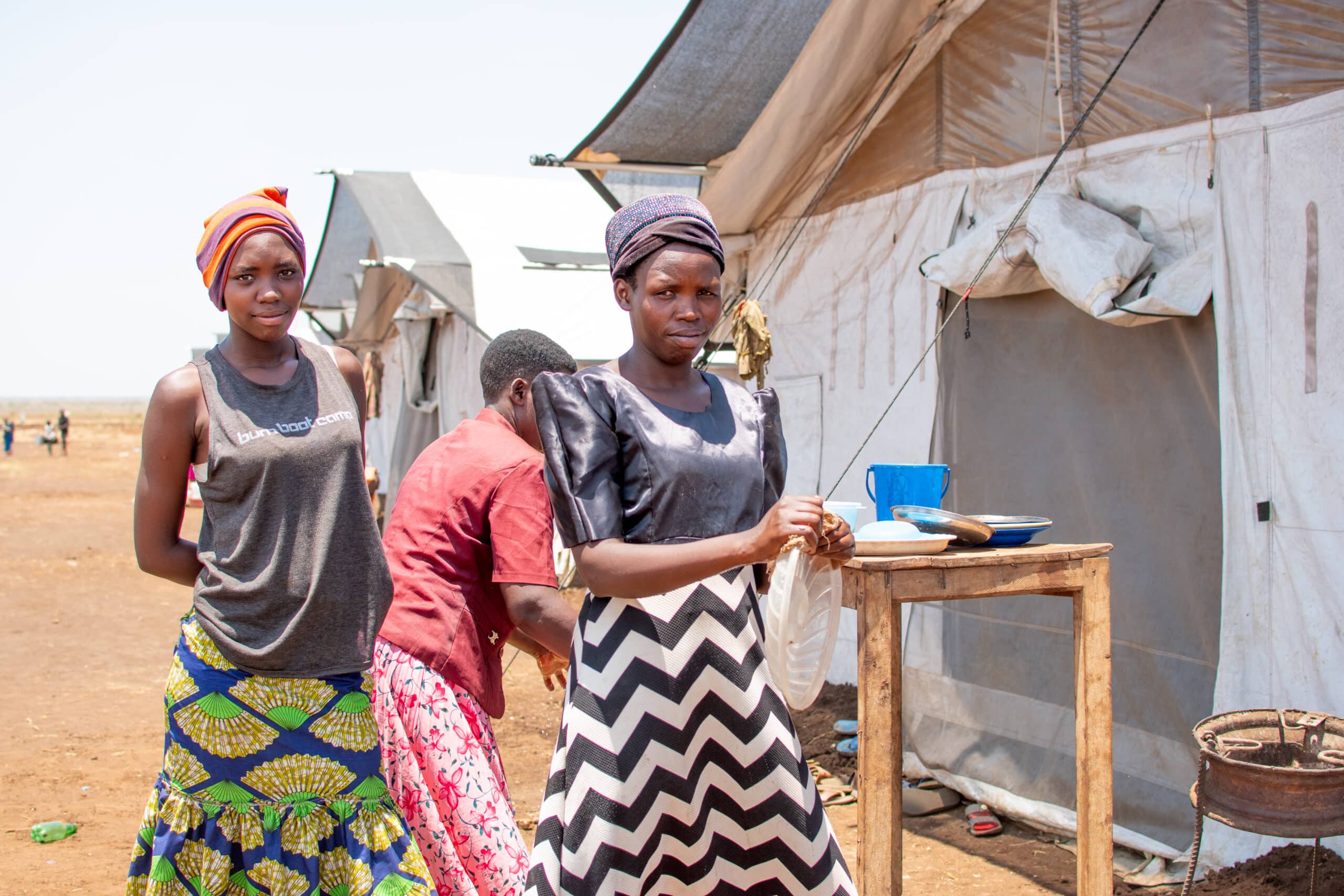
World Refugee Day: Recognizing the Rising Crisis of Environmental Displacement (4 Min. Read)
Each year, June 20 marks World Refugee Day, a day when people around the world come together to honor those who have been forced to…
READ MORE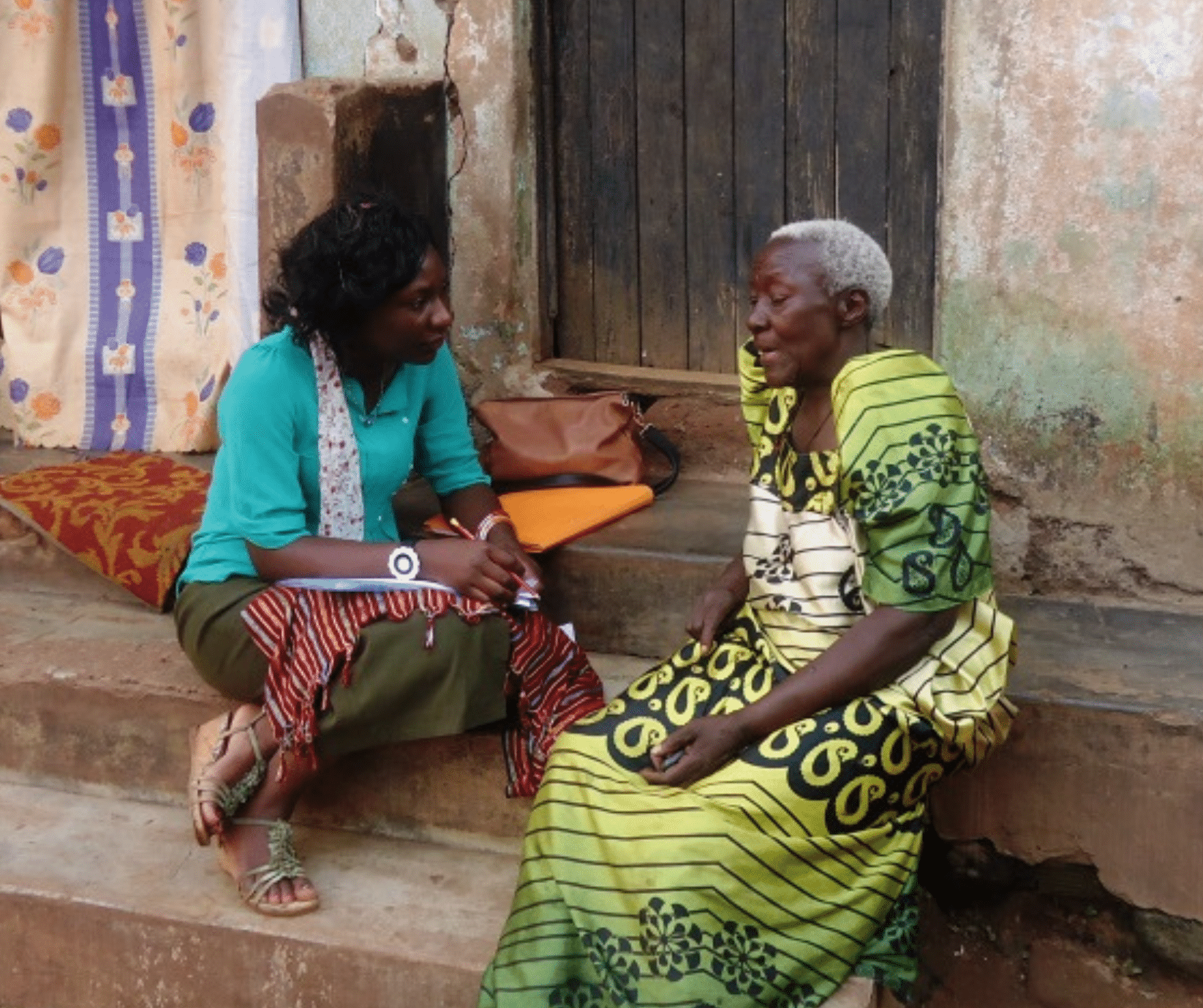
Meet Two Women Transforming Mental Healthcare in Africa
Women’s voices are essential in the fight against depression. Not only are women more likely to experience depression than men, but they also face greater…
READ MORE
Stories of Impact: Real Lives Transformed Through Therapy
Behind every statistic lies a human story—a life transformed and a spark of hope reignited. At StrongMinds, we’re incredibly proud of our numbers: we’re on…
READ MORE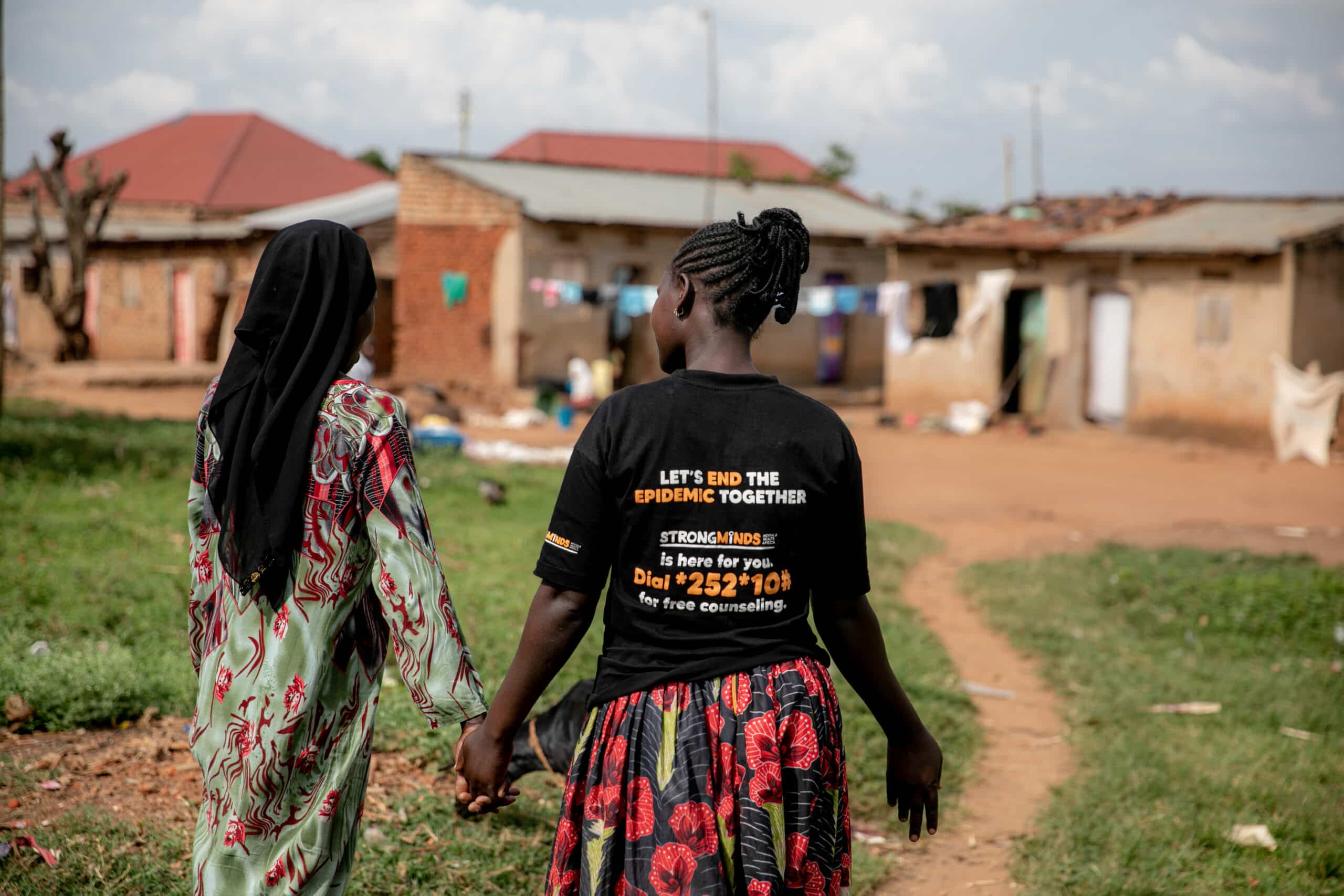
World Suicide Prevention Day: Confronting Depression and Suicide in Africa
Suicide is a major public health concern that touches individuals and families around the world. It is estimated that more than 700,000 people die from…
READ MORE
World Refugee Day
World Refugee Day is an opportunity to shed light on the mental health challenges faced by millions of displaced individuals worldwide. Refugees often endure unimaginable…
READ MORE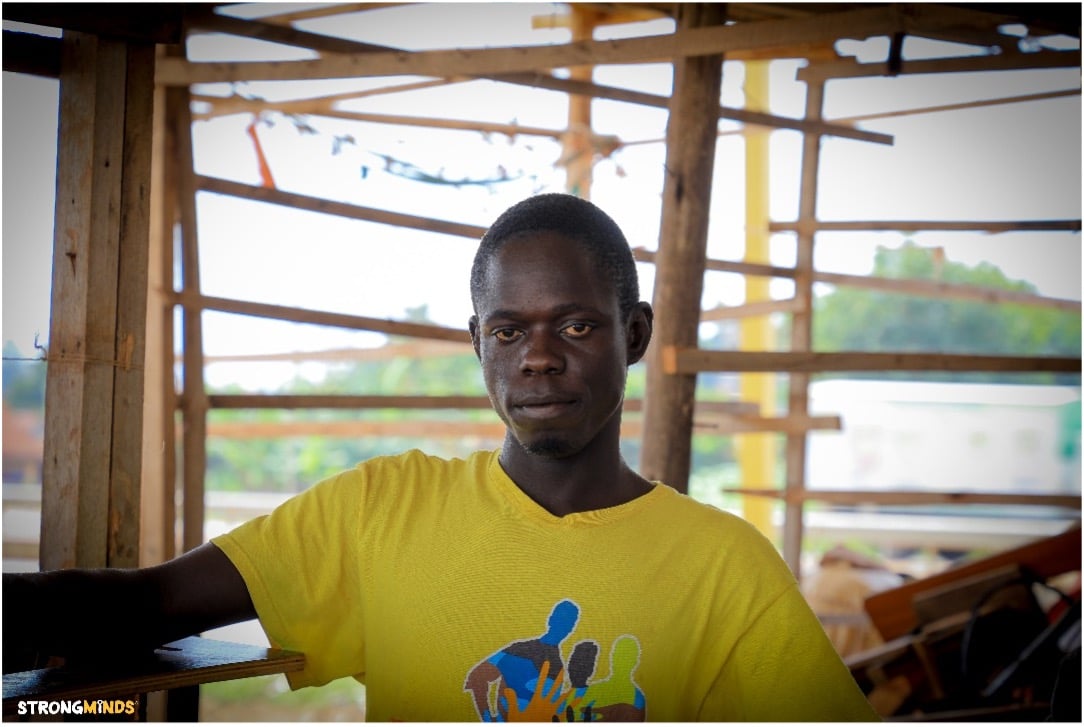
Addressing Male Depression to Transform Families and Communities
Depression affects millions of people worldwide, yet its impact on men remains significantly underreported and undertreated, especially in sub-Saharan Africa where the internalization of masculine…
READ MORE
How Climate Impacts Mental Health in Africa
As we enter Earth Month and rally to protect our planet, we need to recognize the profound impact climate change effects can have on mental…
READ MORE
Navigating Mental Health Challenges Amid a Cholera Outbreak in Zambia
Since October 2023, Zambia has been grappling with a major cholera outbreak that has taken the lives of more than 500 people and infected more…
READ MORE
Rebuilding Hope: Overcoming Depression After Devastating Floods
In July 2022, Eastern Uganda’s Mbale District was hit by a catastrophic flood, leaving a trail of ruin and destruction. Susan was just one of…
READ MORE
Restoring Mental Health, Improving Livelihoods
Empowering women is essential to reducing poverty and building better economies. When women are mentally healthy, they can contribute to society, achieve financial independence, and…
READ MORE
Responding to Climate Disasters and Disease Outbreaks
Climate-related environmental disasters and infectious disease outbreaks are increasingly affecting mental health in Africa. Safety concerns and loss of life, property, or livelihoods can trigger…
READ MORE
Big Win for Mental Health in Uganda’s Schools
When 16-year-old Gabriele first entered Uganda as a South Sudanese refugee, he never imagined he’d soon be traveling to Kampala to lobby Parliament and Ministry…
READ MORE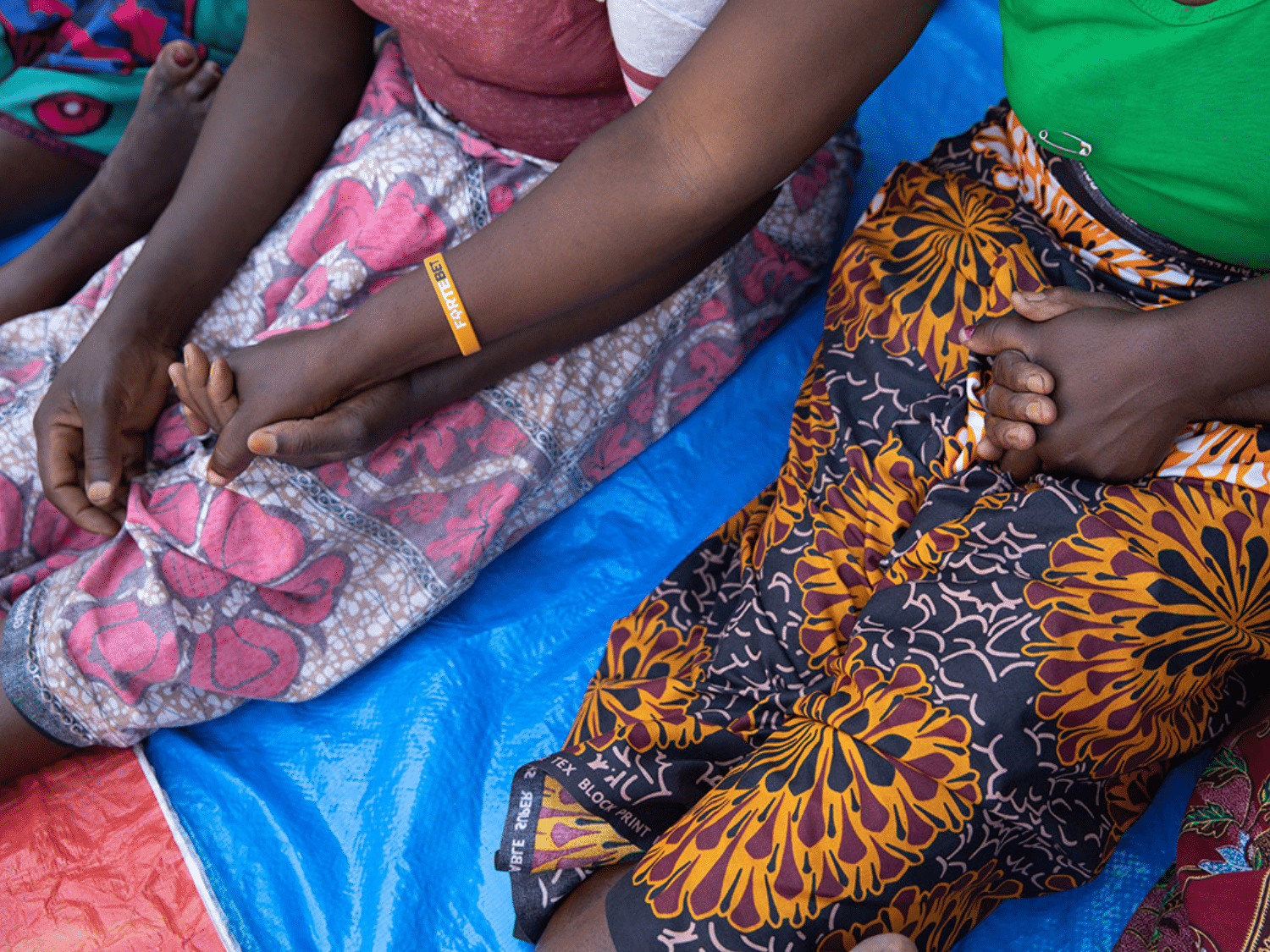
Prossy’s Story of Depression Recovery in Northern Uganda
Prossy is a 30-year-old South Sudanese woman who fled to Uganda with her four children to escape the civil war at home. Her husband had…
READ MORE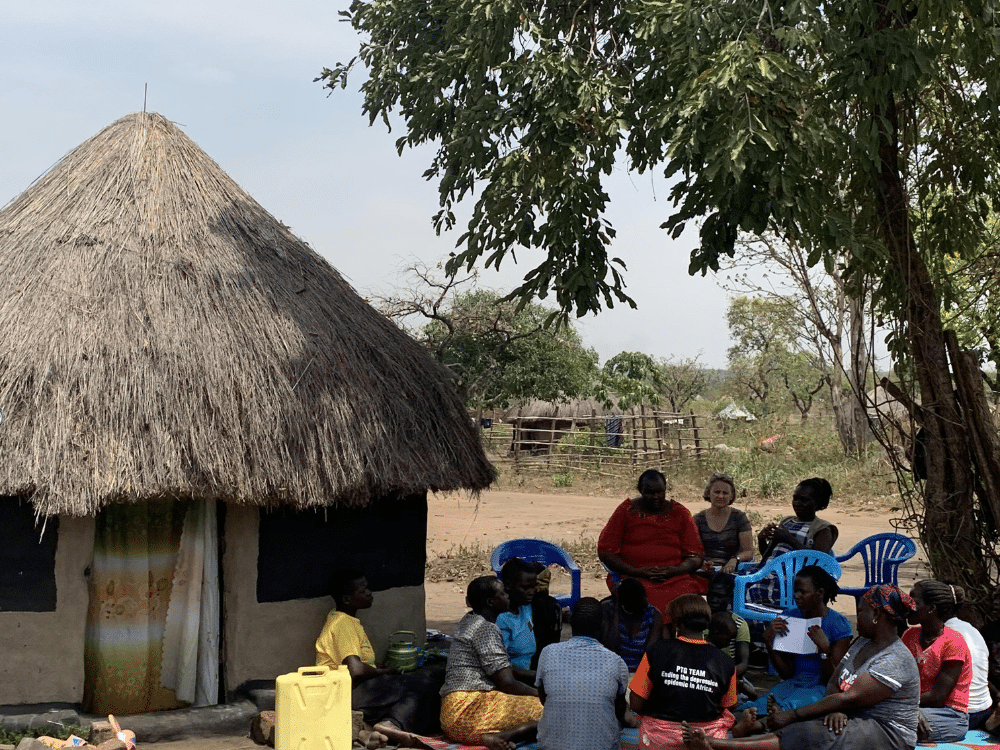
Pamela’s Story: Treating Depression in Refugee Settings
33-year-old Pamela resides in a small village within Lamwo District, Northern Uganda. As a busy mom attempting to manage long-standing medical issues, her days are…
READ MORE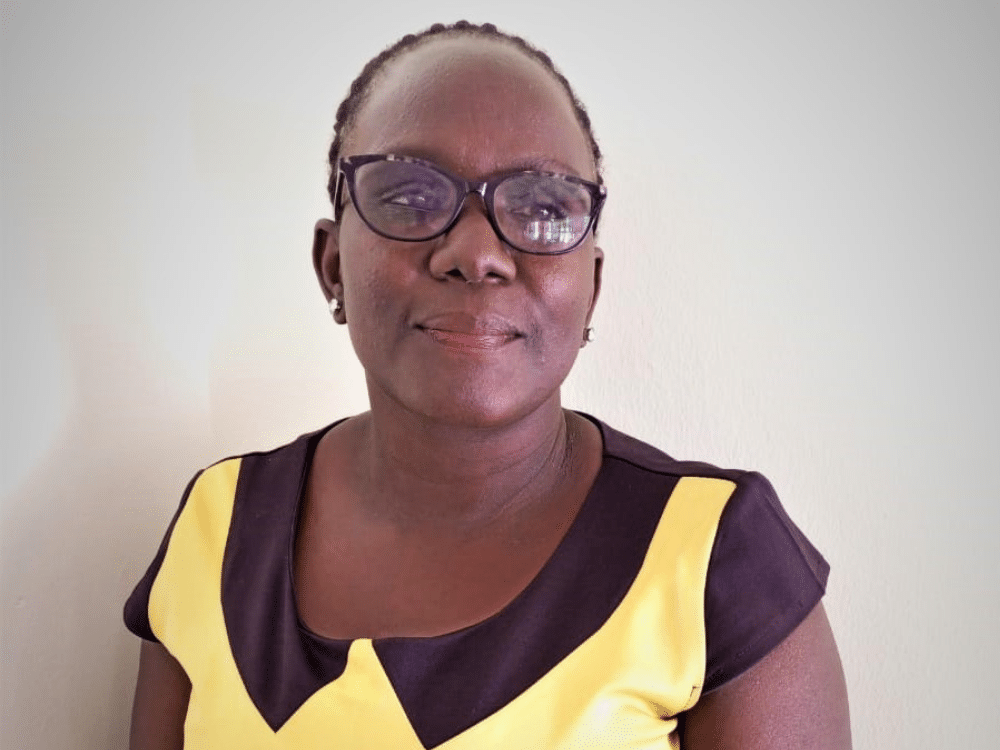
Harriet’s Story: From Client to Mental Health Facilitator
Before Harriet joined StrongMinds’ therapy group in 2017, her life was filled with pain and difficulty. As a single mother of twins, relying on her…
READ MORE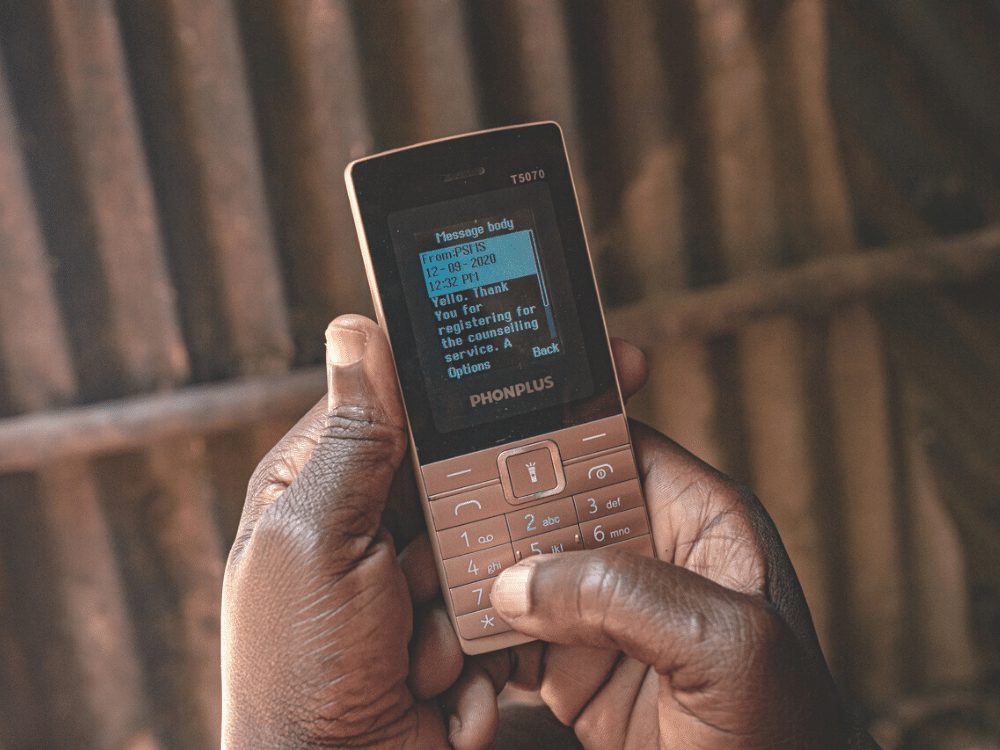
Fueling our work through technology
Building on our successes scaling through teletherapy during the pandemic, StrongMinds has now integrated phone-based technology throughout our operations, enhancing our ability to identify and…
READ MORE
How Elizabeth transformed her grief into a mission to help others
Elizabeth (47) lives in Lusaka and is among our first cohort of Peer Facilitators in Zambia. When she joined a StrongMinds therapy group in 2019,…
READ MORE
Treating Depression in Adolescents in Zambia during COVID-19
When life doesn’t go as planned, adjusting to new circumstances can be difficult. In some cases, it can lead to anxiety and depression. Clara, *…
READ MORE
Christina’s Story of Depression Recovery in a Refugee Settlement
Christina lives in a refugee settlement in northeastern Uganda. At 28-years old, she has already endured a lifetime of instability. When her family fled Sudan,…
READ MORE
StrongMinds mourns the passing of John Mayeya
StrongMinds mourns the loss of a dear friend and supporter in Zambia, John Mayeya, who passed away this weekend from COVID-19. John was the Director…
READ MORE
Recovering From a Childhood Filled with Grief and Trauma
A period of grief is normal after the loss of a loved one. But when the grief fails to eventually subside or is compounded by…
READ MORE
Mary’s Recovery from her “Downward Spiral into Darkness”
In some villages in Zambia, it is considered tradition to inherit a marriage after the death of a sibling or cousin, regardless of your age….
READ MORE
Deborah’s Story
Meet Deborah, a 34-year old widow and mother living with HIV. She lost her husband six years ago and is caring for his many orphaned…
READ MORE
Profiles in Adolescent Depression Recovery
Meet Doreen & Jaffar Doreen carries herself confidently, her smile as striking as the bright green dress she wears for her school uniform. But there…
READ MORE
Joan’s Story
Joan, 31, is the mother of three girls and the “house mother” for eight boys, at a boarding school for kids abandoned on the streets…
READ MORE
StrongMinds Officially Expands into Zambia
StrongMinds is pleased to announce we have expanded our mental health services to Zambia. Working closely with Zambia’s Ministry of Health and other partners, we…
READ MORE
Daughter Shares Story of Mother’s Recovery from Depression
HARVESTING HAPPINESS Afiya, 16, shares her story of her mother, Adellah’s recovery from the ‘Black Night’ of depression I remember that bright morning, waking up…
READ MORE
Our New Mini-Documentary
StrongMinds: Treating Depression at Scale in Africa [vc_section][vc_row][vc_column][vc_video link=”https://www.youtube.com/watch?time_continue=1&v=IBxWCPEoJpY” align=”center”][/vc_column][/vc_row][/vc_section][vc_column_text] The 8-minute video goes into depth about StrongMinds’ work treating women with depression in Uganda…
READ MORE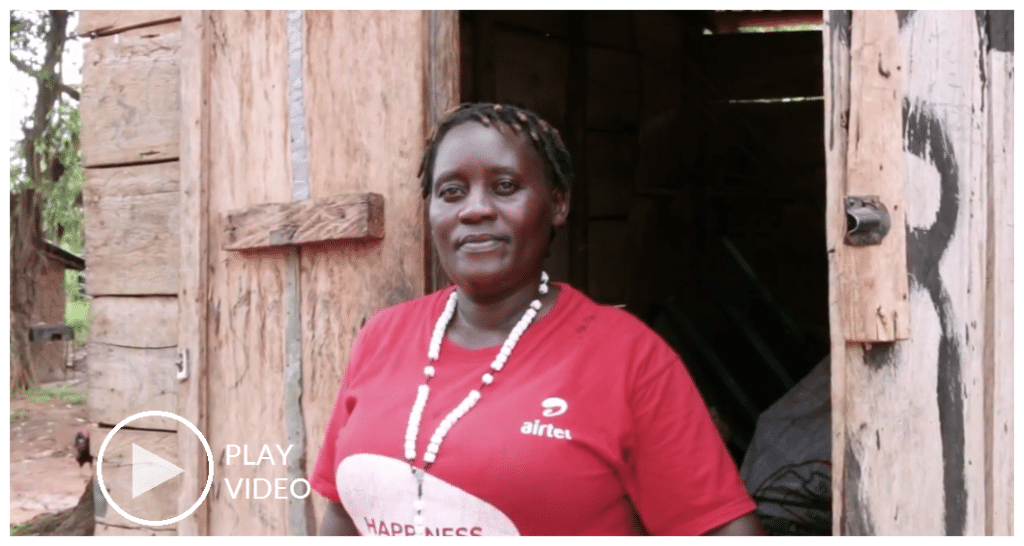
Meet Rashidah: One of the 25,000 Women Treated
[vc_section][vc_row][vc_column][vc_video link=”https://youtu.be/7yqYjzQ7n8g” align=”center”][/vc_column][/vc_row][vc_row][vc_column][vc_column_text] Watch as Rashidah shares her story about going from feeling hopeless and suicidal to having the confidence to start her own small…
READ MORE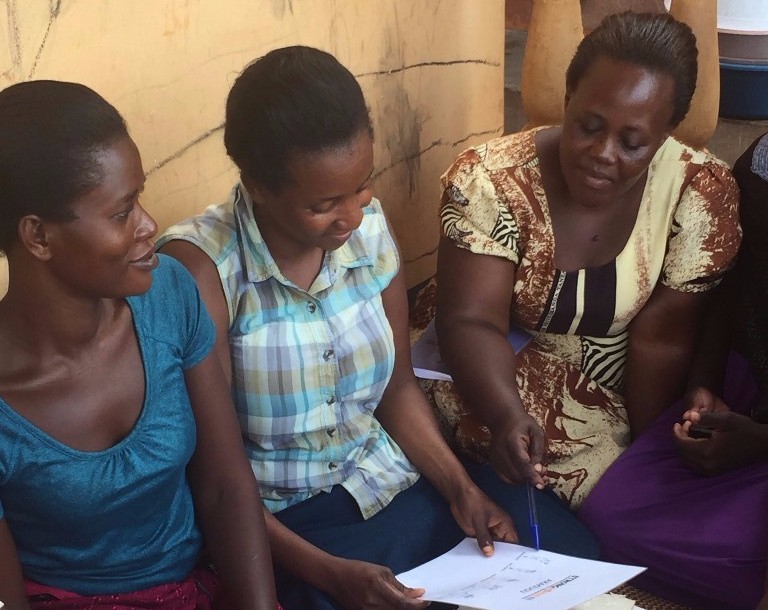
StrongMinds Therapy Group: “Together We Can”
Every Monday afternoon for the past six weeks, a group of 12 women have met on a neighbor’s porch. The StrongMinds Therapy Group, which selected…
READ MORE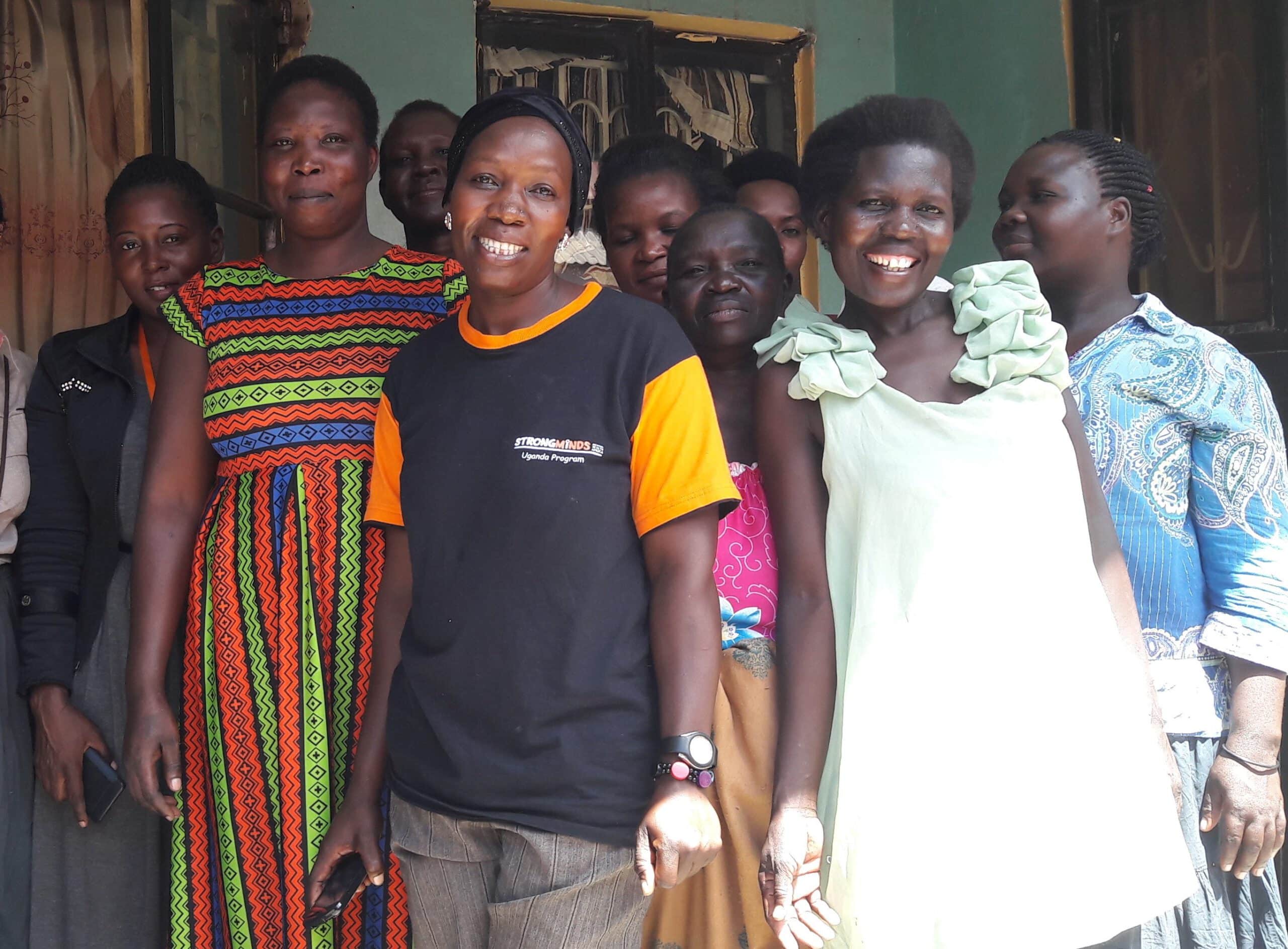
From Group Member to Peer Facilitator: Nusura
Nusura is a 41 year-old mother of five children, she lives in Naguru Village, in Uganda’s Kampala district. For Nusura, life has not been easy….
READ MORE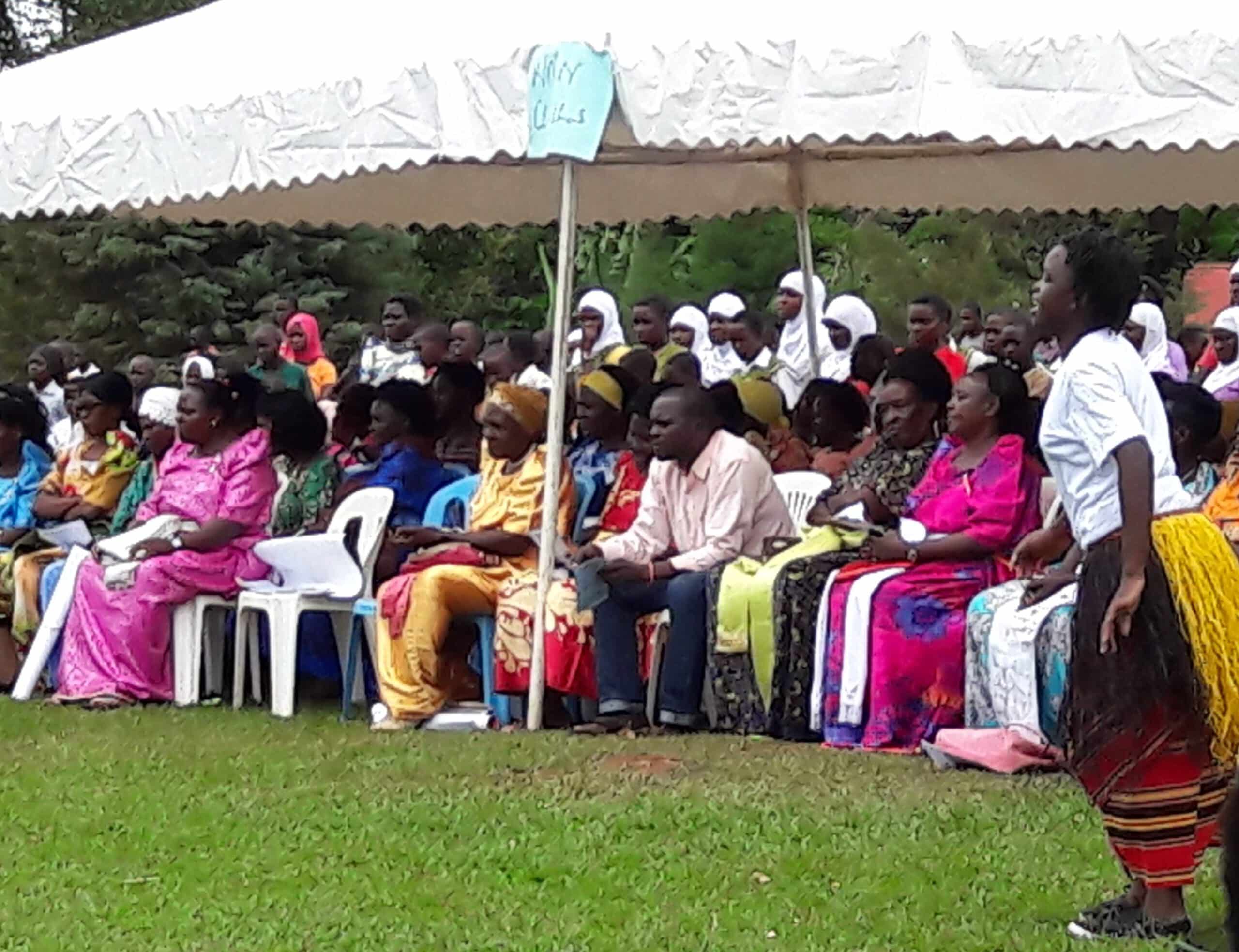
Official Launch of StrongMinds Uganda in Iganga
On March 23, 2017, the StrongMinds Uganda (SMU) team officially launched its efforts in Iganga District, which is in the Eastern Region of the…
READ MORE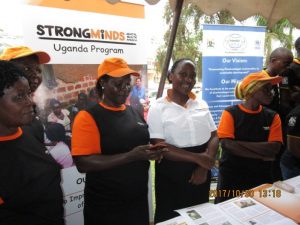
Mental Health Awareness Day in Uganda
On Friday, November 25, the StrongMinds Uganda team joined the Ministry of Health to celebrate Mental Health Awareness Day in Kampala. The…
READ MORE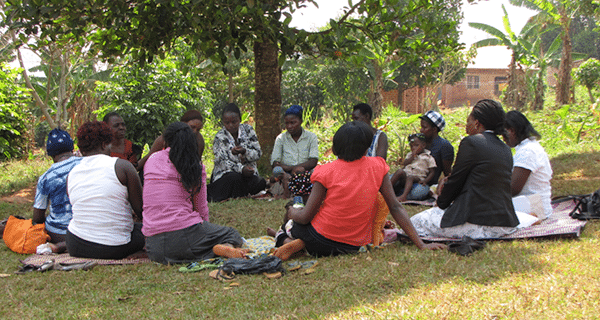
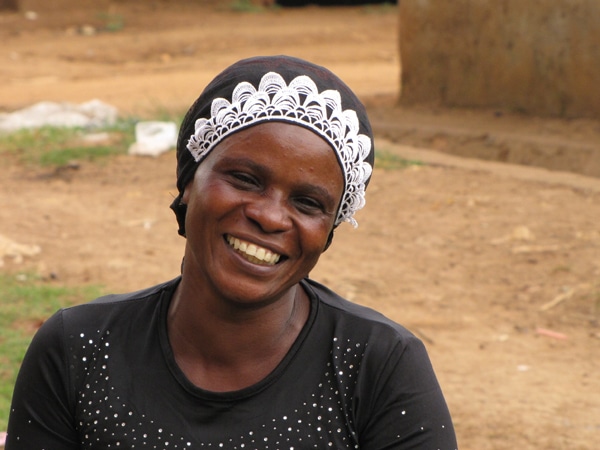
Smiling Once Again: Sophia
MEET SOPHIA, a 45-year-old single mother of six children in Kampala, Uganda. Years of prostitution triggered a deep and severe depression for Sophia. Her life…
READ MORE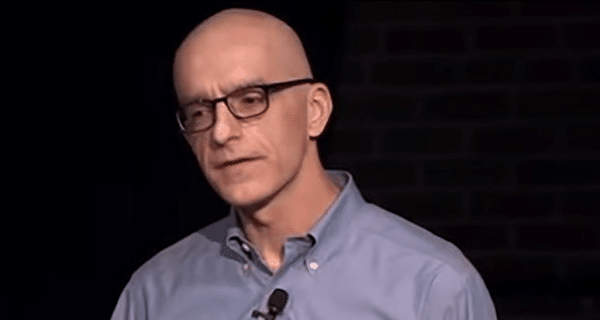
Solving the Depression Epidemic in Africa | Sean Mayberry | TEDxCulverCity
Global healthcare advocate and activist, Sean Mayberry addresses a silent epidemic affecting hundreds of millions Africans, Depression. In a society that attaches stigma to mental…
READ MORE