
Our Work in Uganda
StrongMinds works alongside government entities throughout Uganda to expand access to depression treatment for adults and adolescents in communities, schools, health facilities, refugee settlements, and prisons.
Government partners
- Ministry of Health
- Ministry of Education and Sports
- Uganda Prison Service
- Ministry of Gender, Labour and Social Development
- Office of the Prime Minister
Good mental health helps people, families, and communities thrive.
A depression treatment model with the potential to reach millions across Africa
StrongMinds began working in Uganda in 2013, introducing a scalable, locally adapted group interpersonal therapy (IPT-G) model as a practical, cost-effective way to treat depression in communities with little or no access to mental health professionals.
In the early years, StrongMinds managed every part of the program: recruiting participants, training and supervising facilitators, collecting data, and monitoring quality. This hands-on approach allowed us to demonstrate that group therapy, led by trained community members, could produce meaningful and lasting results in a Ugandan context.
As people recovered, families and communities saw the difference. Former participants shared their experiences, public understanding of depression grew, and trust in the model deepened. Since then, StrongMinds has reached more than one million people with depression treatment across Uganda.
Making treatment simpler and more scalable
At the same time, StrongMinds continued improving the treatment model so it could reach more people at lower cost. Therapy groups shifted from being led by StrongMinds staff to trained community volunteers, including former participants whose lived experience helps build trust. Treatment was shortened from 16 weeks to six, making it possible for many more people to participate while maintaining strong results.
Shifting from direct services to government-led delivery
Our success also revealed the limits of an NGO-led model. Every new district required more StrongMinds staff, funding, and supervision. No single organization, however committed, could reach everyone who needed care on its own. A different approach was needed.
Uganda already has community health workers, teachers, health facilities, prisons, local governments, and national information systems with deep roots in the communities they serve. In 2022, StrongMinds began shifting from direct implementer to technical partner—helping government institutions integrate depression treatment into the services people already know and trust.
Learn more about how we partner with governments.
A Multisectoral Approach to Mental Health
Working across government entities
Depression touches every part of life. It can affect school attendance, maternal health, treatment adherence, family stability, livelihoods, and a person’s ability to participate fully in their community.
That is why StrongMinds works across government, helping ministries and districts integrate depression treatment into the public services people already use and trust.
Uganda’s Ministry of Health partners with StrongMinds to expand access to depression care by combining government leadership with technical expertise. The Ministry provides clinic space, integrates IPT-G into national health plans, and builds partnerships, while StrongMinds trains staff, delivers therapy, and shares evidence. This model demonstrates how governments can strengthen health systems, reach more people, and improve mental health in collaboration with StrongMinds, while building capacity to take full ownership of the programs.
In Uganda’s schools, the Ministry of Education and Sports partners with StrongMinds to provide mental health to adolescents in schools. In 2022, the Ministry issued a national circular requiring schools to dedicate weekly time for mental health support and later co-developed supervision guidelines to ensure quality delivery of group talk therapy (IPT-G). With StrongMinds training teachers, supporting peer facilitators, and reducing stigma across school communities, the partnership is helping more students stay in school, cope with challenges, and succeed academically.
StrongMinds works with the Uganda Prison Service (a department within the Ministry of Internal Affairs) to make mental health care available in prisons. Inmates who complete group therapy are trained to lead new groups, while prison staff provide oversight and support. This approach has improved the well-being of prisoners and staff, reduced suicide and conflict, and helped people reconnect with their families. The goal is for the Uganda Prison Service to take full ownership of program implementation, with StrongMinds continuing to provide training and technical support.
The Ministry partners with StrongMinds to support survivors of domestic and gender-based violence, particularly women. StrongMinds provides group therapy and referral services, while the Ministry connects vulnerable groups to care. The partnership is now being formalized through a Memorandum of Understanding, ensuring coordination and sustainability. Together, they are expanding access to mental health services for those most at risk.
StrongMinds partners with the Office of the Prime Minister, the Ministry of Health, local governments, and NGOs to treat depression and build resilience in communities affected by conflict and disasters. In emergencies, the Office of the Prime Minister provides security, access, and updated information on needs.
- In Lamwo District, StrongMinds trained community volunteers to lead therapy groups for refugees from South Sudan and the Democratic Republic of the Congo.
- In Kotido District, which is experiencing a devastating drought, StrongMinds has worked with Ministry of Health volunteers to provide therapy in communities facing climate change and extreme weather.
- In the Mbale District, StrongMinds has also worked with Ministry of Health volunteers and the International Red Cross to provide rapid response mental health services to communities affected by landslides and flooding.
StrongMinds also works with civil society groups to help their staff understand depression, emotional well-being, and coping strategies. We provide immediate support to those in distress and teach organizations psychological first aid, an evidence-based approach that offers emotional and practical support in the wake of trauma.
In addition to providing direct services and training to government agencies, StrongMinds also serves on multiple government working groups to coordinate activities across sectors.
Working groups include:
- The Mental Health and Psychosocial Working Group (Ministry of Health) – coordinates refugee response across the health sector.
- The Guidance and Counseling Technical Working Group (Ministry of Education and Sports) – provides strategic leadership and guidance on counseling, including addressing issues related to HIV/AIDS.
- Mental Health and Climate Change Working Group (Ministry of Health) – Highlights the effects of climate change on mental health.
- National Task Force on the HIV and AIDS Policy Review (Ministry of Health) – Provides policy and strategic guidance for the country’s HIV/AIDS response.
Model Districts
Demonstrating effective government integration
StrongMinds first tested this approach in Masaka District, working through a multisectoral committee that included representatives from health, education, internal affairs, local government, and the Office of the Prime Minister.
The organization also changed how it operated locally. Instead of maintaining a district office with five or six StrongMinds employees, one staff member was embedded within the district government. That person participated in the same planning and budget meetings where local priorities and resources were decided.
StrongMinds and the district introduced a locally owned scorecard to track whether mental health was becoming part of routine government operations. It measured practical indicators such as:
- whether the district had appointed a mental health focal person;
- whether funding had been allocated;
- and whether community-level data was being collected.
Masaka undertook steps to improve its score from 25 percent to 50 percent. More importantly, the district owned both the tool and the results.
Masaka’s commitment to self-sustaining mental health integration has resulted in the recent appointment of a new dedicated a mental health focal person: an existing government employee who could coordinate integration, advocate for resources, and represent mental health in district planning.
Our Vision for 2035
Making depression treatment a permanent part of public systems across Uganda
Uganda’s progress shows what is possible when effective treatment is embedded within existing public infrastructure. The next phase of our work is simplifying the model and its tools, is to strengthen government supervision, data collection, planning, and financing so that depression treatment can become a routine, nationally led service.
StrongMinds will support that transition by training government teams, strengthening systems, safeguarding quality, and building the evidence needed to guide national scale-up.
How do we get there?
We are currently developing a new, leaner, lightweight therapy model, rooted in the IPT-G framework. With this new model, we hope to bringing the per-person cost of therapy delivery down to under US$1, to facilitate full government ownership at a price point that can be absorbed.
Donor investment makes this work possible, giving us the runway to help government take on greater responsibility over time and reach people wherever they are—in a health facility, a classroom, a prison, or their own community.
“I was very sad and hopeless… [Group sessions] gave me something to do, something to look forward to…I used to quarrel and fight often, but lately, I do none of that. I no longer talk to myself like I used to. I feel good about myself and am no longer depressed. I used to be so stressed and thin back then, but look at me now…I look better, stress-free, and relaxed.”
– Prossy, a South Sudanese refugee living in Palabek Settlement
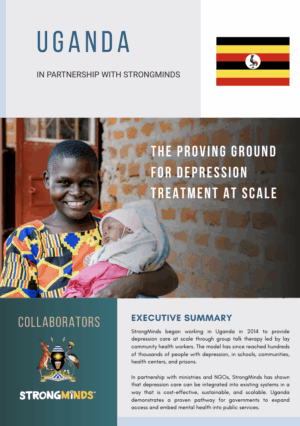
Uganda Country Brief
An overview that highlights StrongMinds’ work in Uganda—showcasing government partnerships, programs, and impact in expanding access to mental health care.
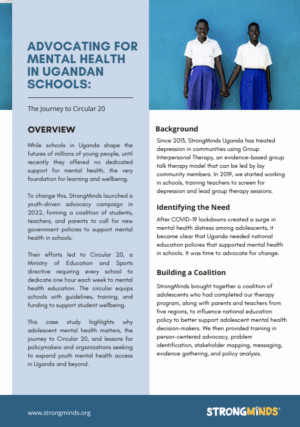
Circular 20
This case study highlights how youth-led advocacy in Uganda secured Circular 20, a landmark policy requiring weekly mental health education in schools, and why adolescent mental health is essential for learning and well-being.
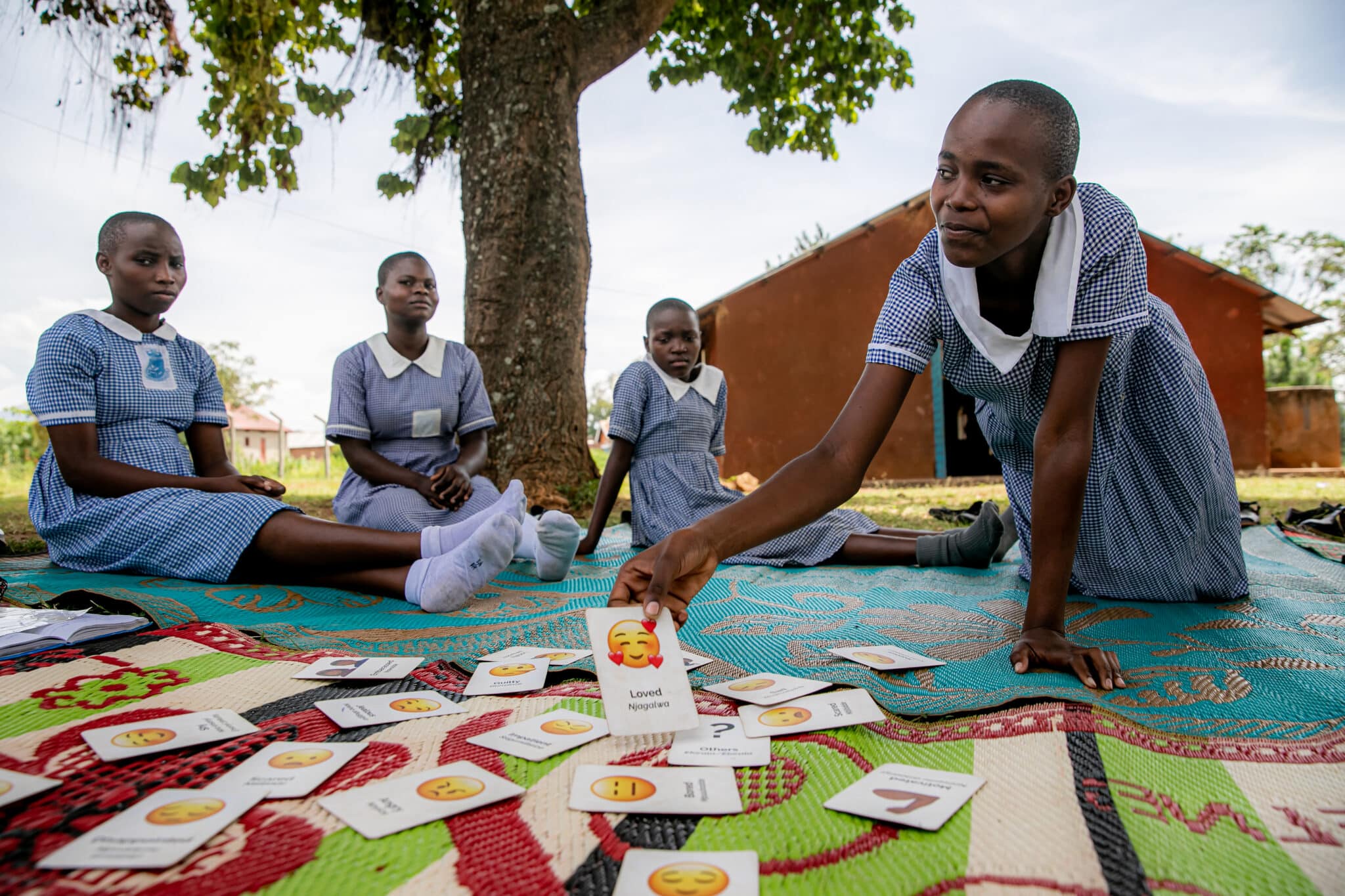
Uganda Releases National Guidelines for Mental Health in Schools
Uganda’s Ministry of Education and Sports has released new national Guidelines for Integrating Mental Wellbeing and Psychosocial Support in Education Institutions, a first-of-its-kind framework built…
READ MORE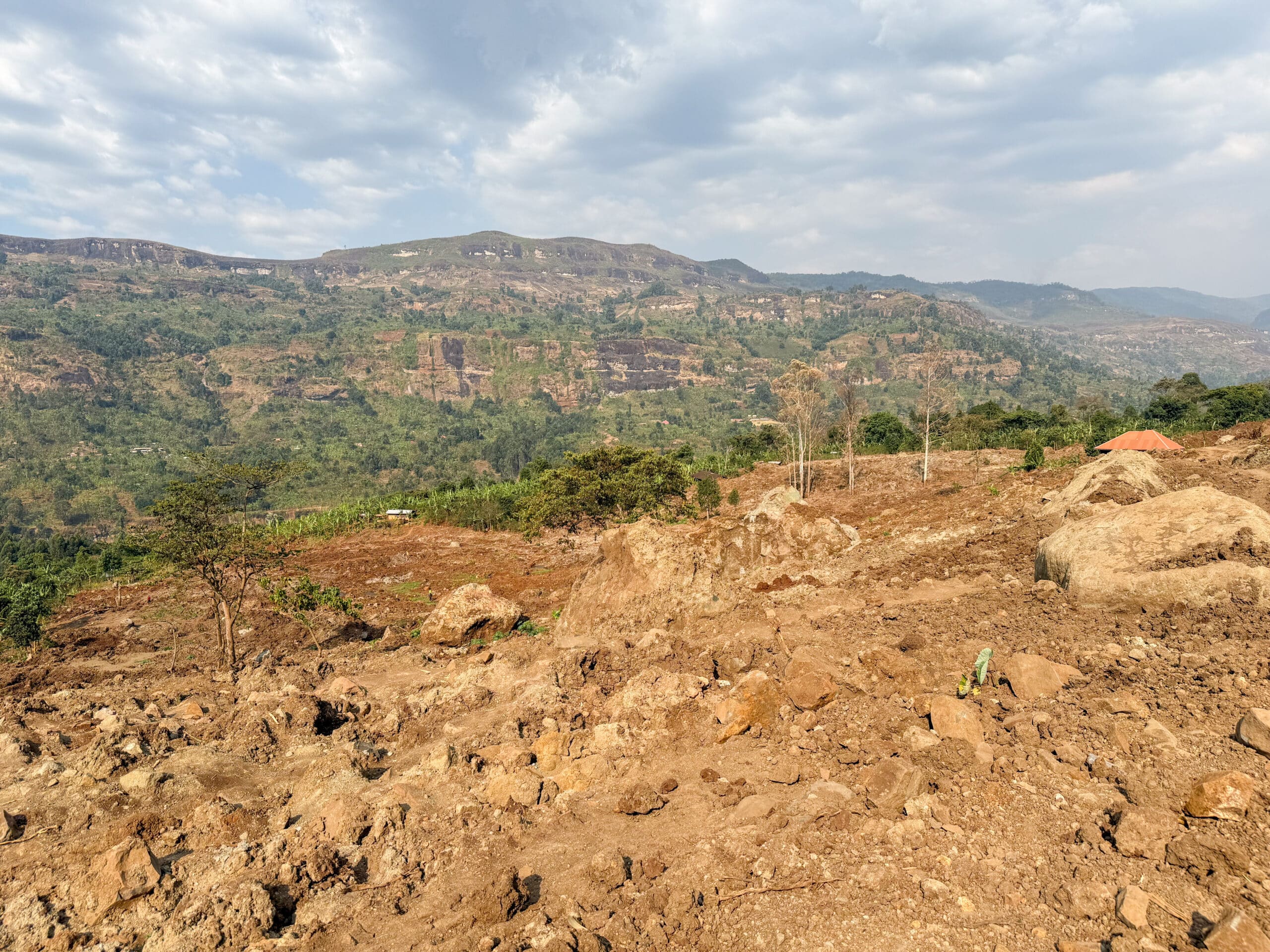
Climate Disasters and the Hidden Toll on Mental Health
The world over, the weather is unpredictable. Seasons that used to follow familiar patterns now bring prolonged droughts and heavy rains, resulting in devastating floods….
READ MORE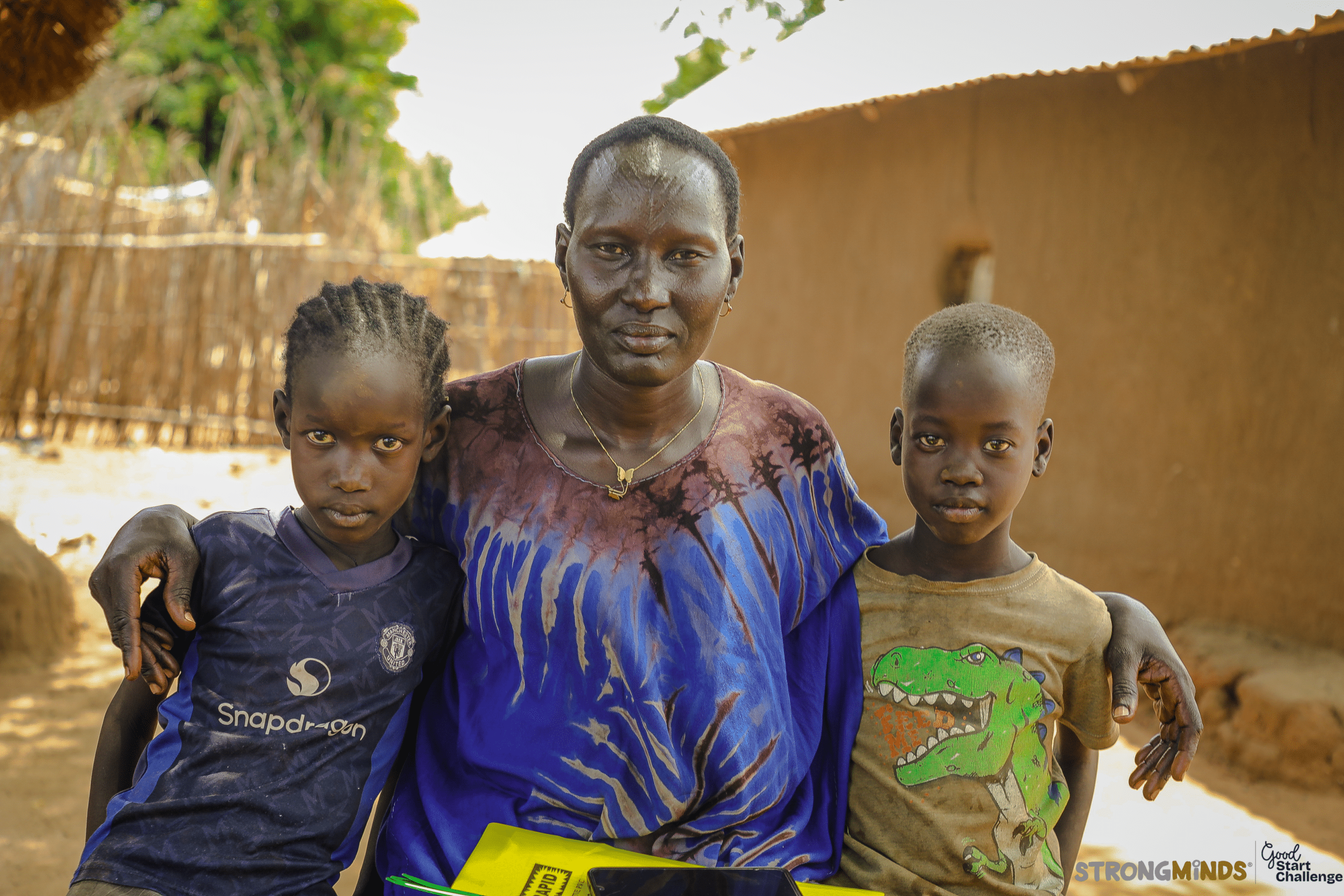
Meet Monica: Mother, Leader, Mental Health Advocate
Each morning in the Nyumanzi refugee settlement in northern Uganda, Monica Akot begins her day the same way many mothers do. She prepares her children…
READ MORE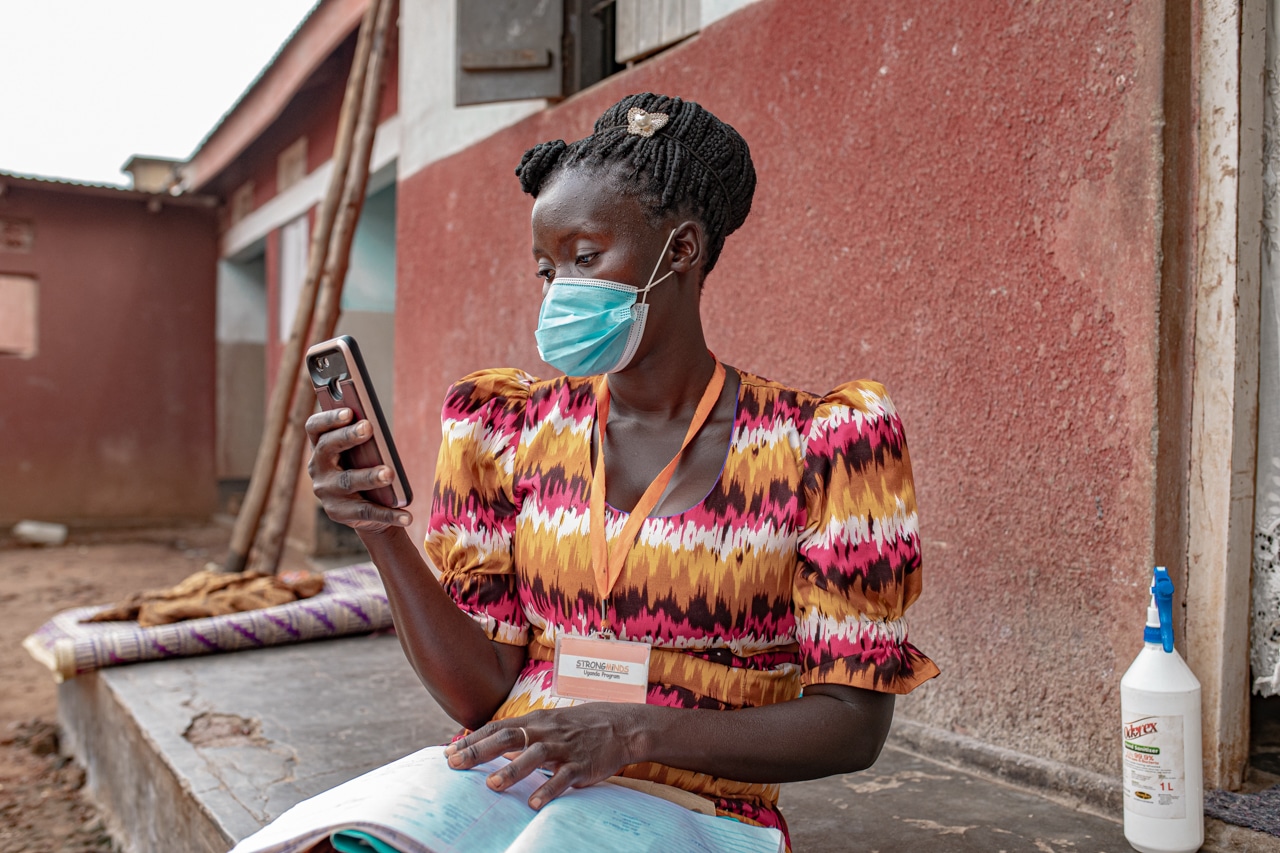
Mental Health in Catastrophes and Emergencies
Whether coping with droughts and outbreaks, or reeling from the aftermath of floods and extreme weather, millions of people across Africa confront not only physical…
READ MORE
Local Voices, Global Impact: How Youth in Africa Destigmatize Mental Health
This International Youth Day, we celebrate the incredible role young people play in transforming their communities, and nowhere is this more evident than in the…
READ MORE
StrongMinds Releases Our Prison Programming Report, Hope and Dignity Behind Bars: Expanding Mental Healthcare Access in Prisons In Uganda and Kenya
StrongMinds is proud to release its latest report highlighting the transformative impact of our prison programming on mental health. As mental health challenges continue to…
READ MORE
The Mental Health Impact of Urbanization and Population Growth in Africa
Africa is urbanizing at an unprecedented pace, with its population growing rapidly. By 2050, 90% of the world’s urban population growth will be concentrated in…
READ MORE
World Refugee Day: Recognizing the Rising Crisis of Environmental Displacement (4 Min. Read)
Each year, June 20 marks World Refugee Day, a day when people around the world come together to honor those who have been forced to…
READ MORE
Mental Health and Motherhood: Laying the Foundation for a Healthy Start
Every mother deserves a healthy start, but for millions of women around the world, pregnancy and early motherhood are overshadowed by depression. Up to one…
READ MORE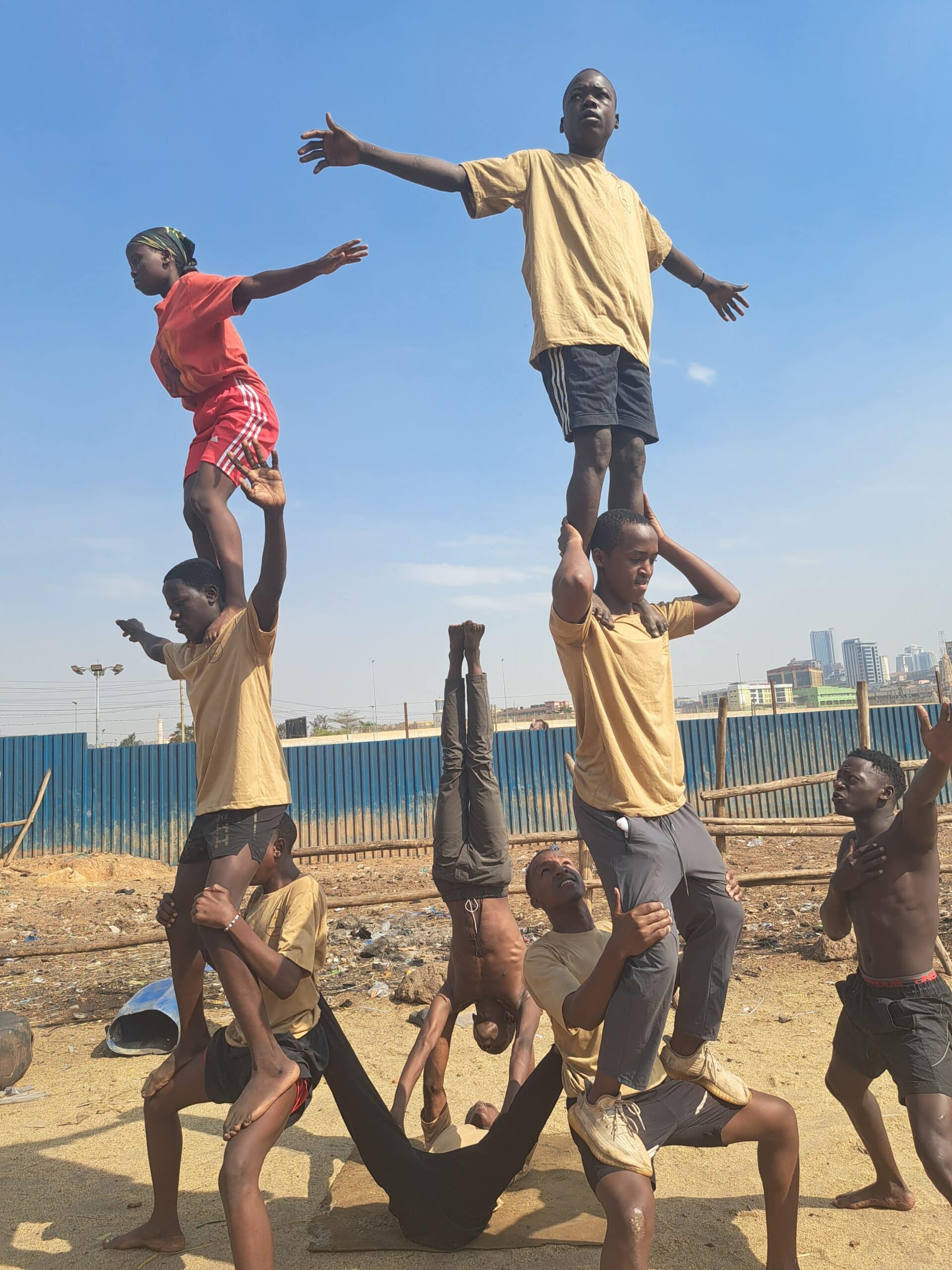
Acrobatic Troupe Finds Family Through StrongMinds Therapy in Katwe, Uganda
The Katwe area of Kampala, Uganda is often referred to as a slum. Home to 35,000 people, the neighborhood sits on a rail line and…
READ MORE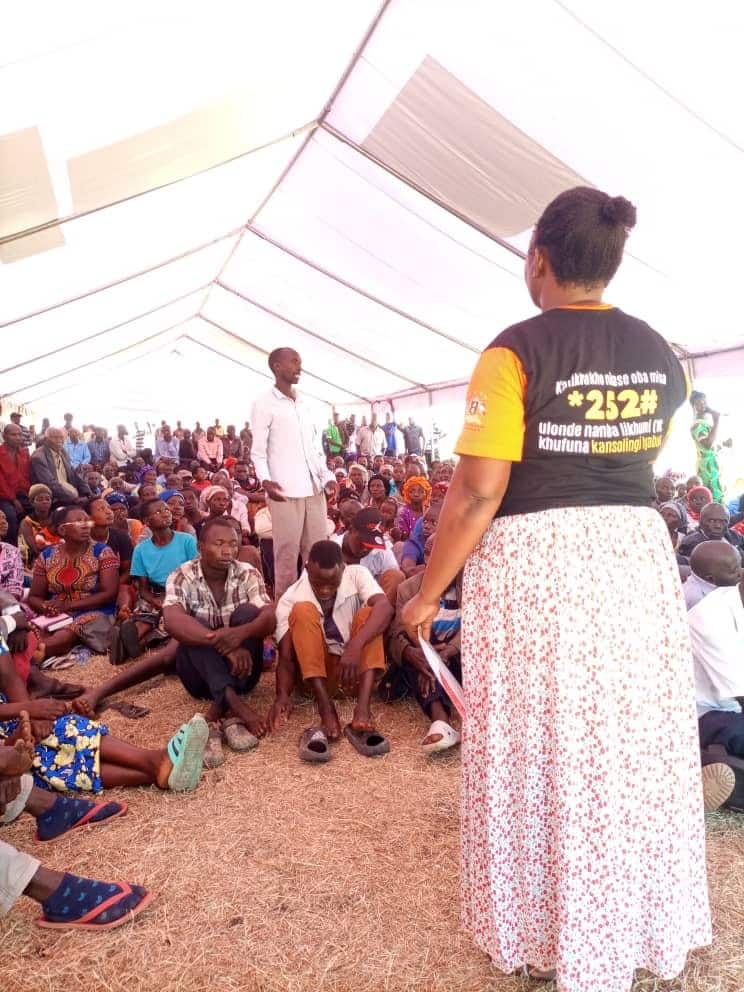
Psychological First Aid For Uganda’s Landslide Victims
In December, heavy rains swept across Uganda, triggering widespread flooding and catastrophic landslides. The mountainous Elgon region along the Kenya-Uganda border was hard-hit. A devastating…
READ MORE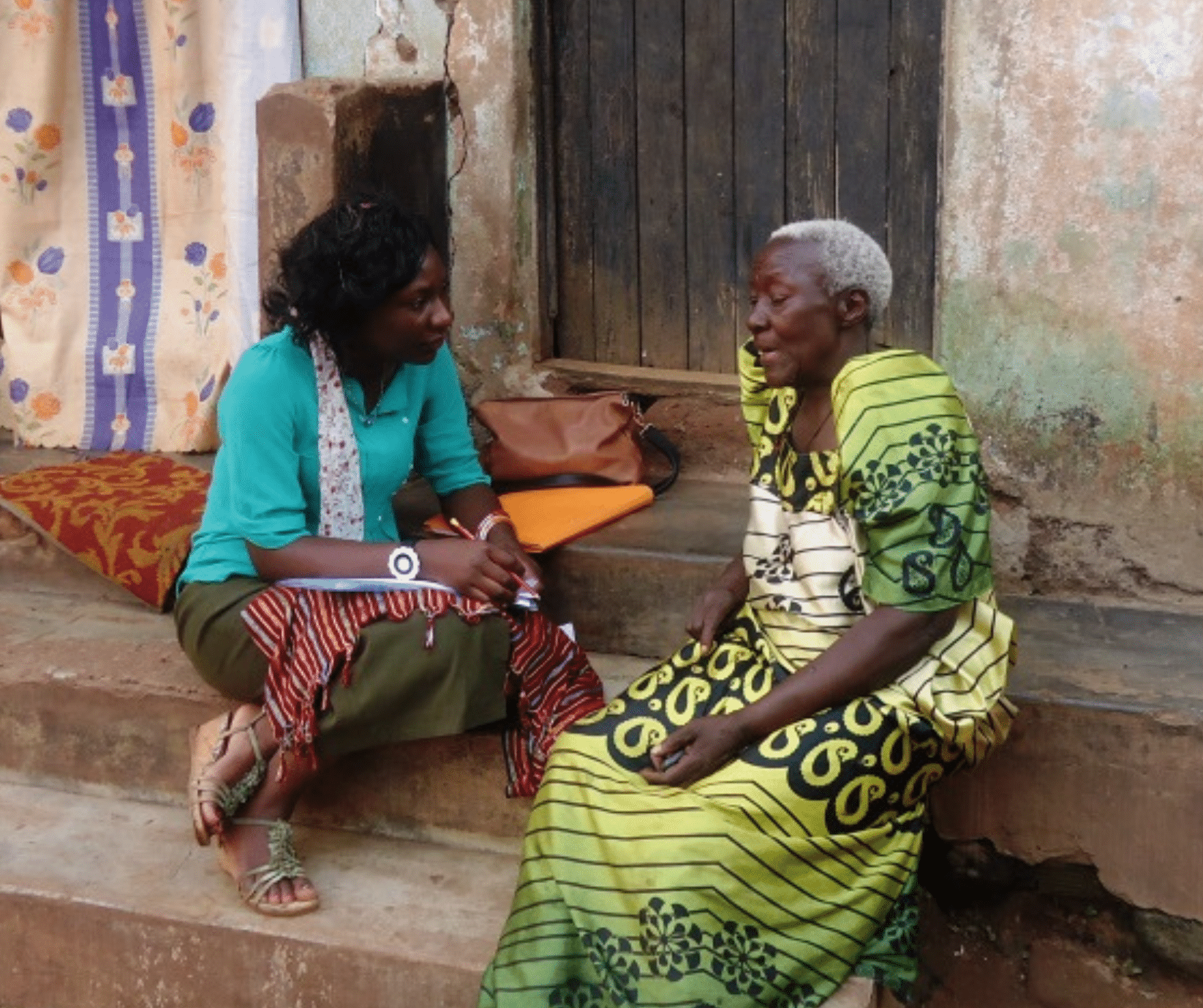
Meet Two Women Transforming Mental Healthcare in Africa
Women’s voices are essential in the fight against depression. Not only are women more likely to experience depression than men, but they also face greater…
READ MORE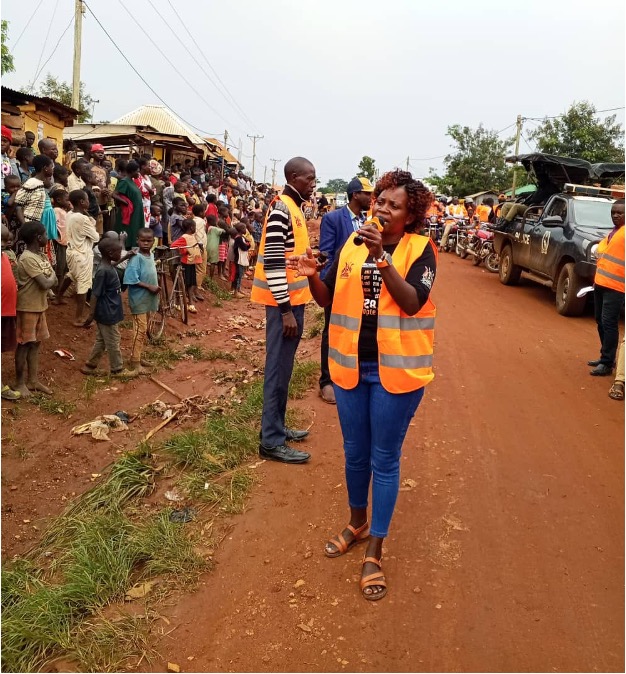
Raising Awareness Together: Mpox and Mental Health in Uganda
With nearly 2,000 cases of Mpox in Uganda as of a few weeks ago, it’s increasingly important to address the mental health impacts of the…
READ MORE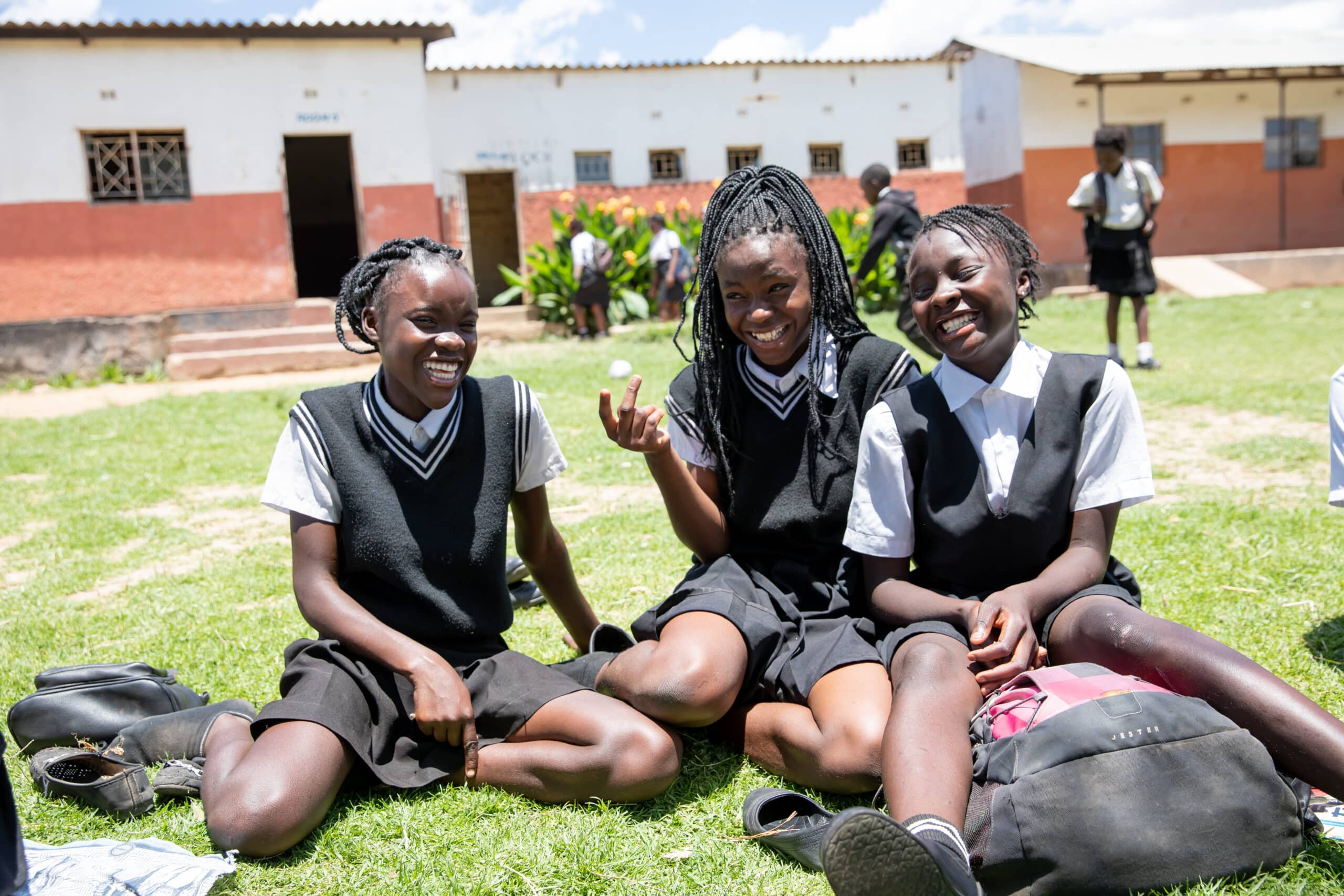
Adolescent Mental Health and Education: Breaking Barriers to Learning
As we celebrate International Day of Education, it’s important to address an often-overlooked factor that can affect students’ success: mental health. For many adolescents, untreated…
READ MORE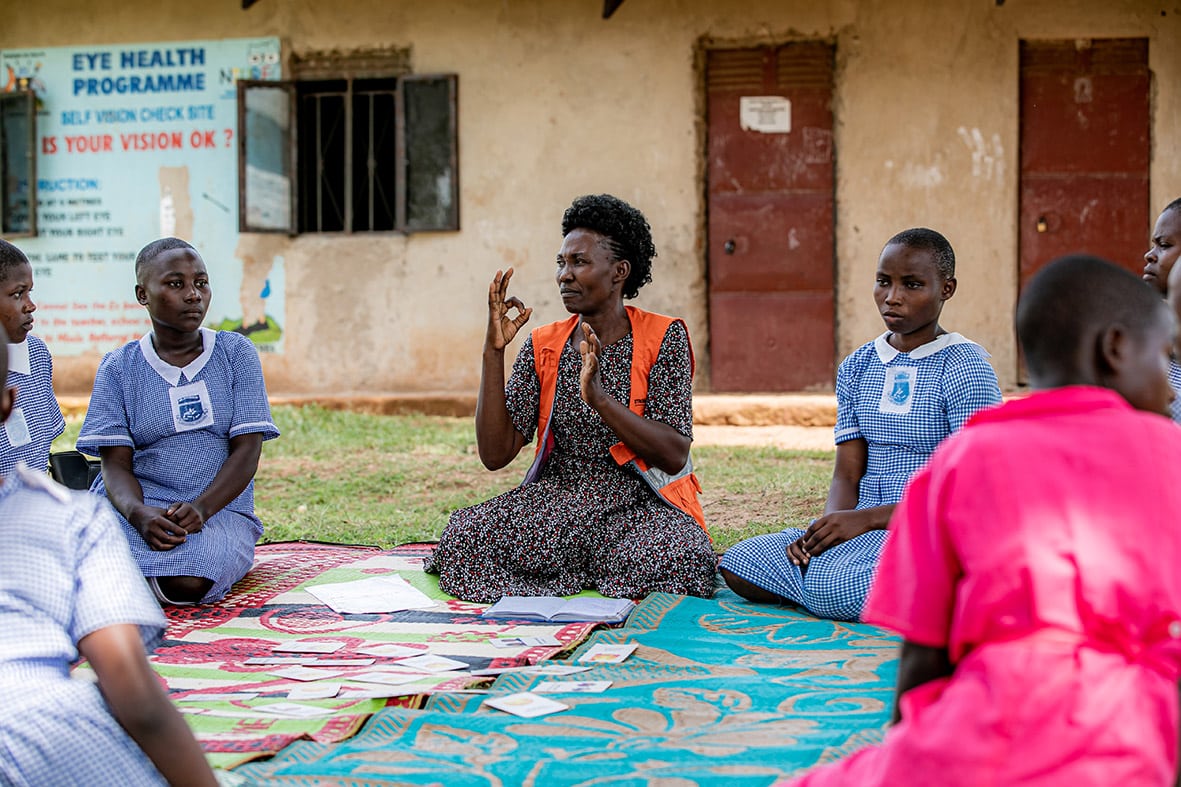
Launch of Uganda’s Community of Practice on Community-Based Solutions for Mental Health
On Thursday, December 5th, StrongMinds and its partners proudly launched the Community of Practice on Community-Based Solutions for Mental Health. This pioneering initiative brings together…
READ MORE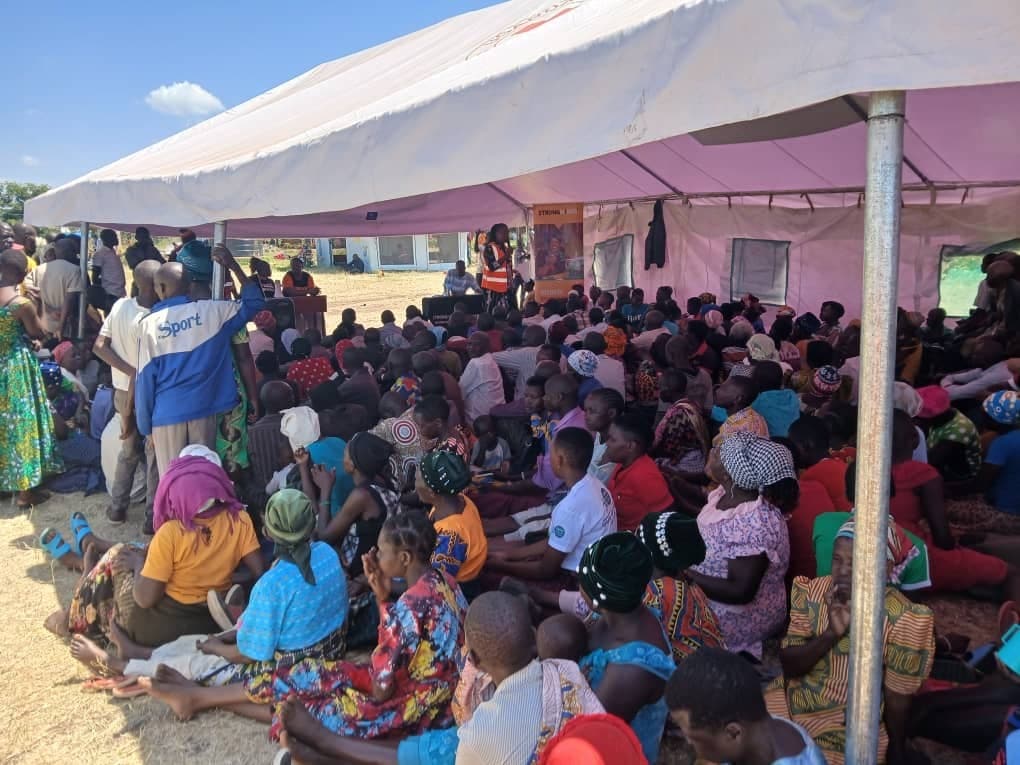
Providing Psychological First Aid to Uganda’s Landslide Victims
Heavy rains in Uganda have triggered widespread flooding, leading to catastrophic landslides throughout the country. The Elgon region, a mountainous area straddling the border with…
READ MORE
Report: Our Climate & Our Mental Health – A Case Study from Kotido District, Uganda
StrongMinds’ report addresses the link between climate change — including extreme weather events — and our mental health in Africa, with a special focus on…
READ MORE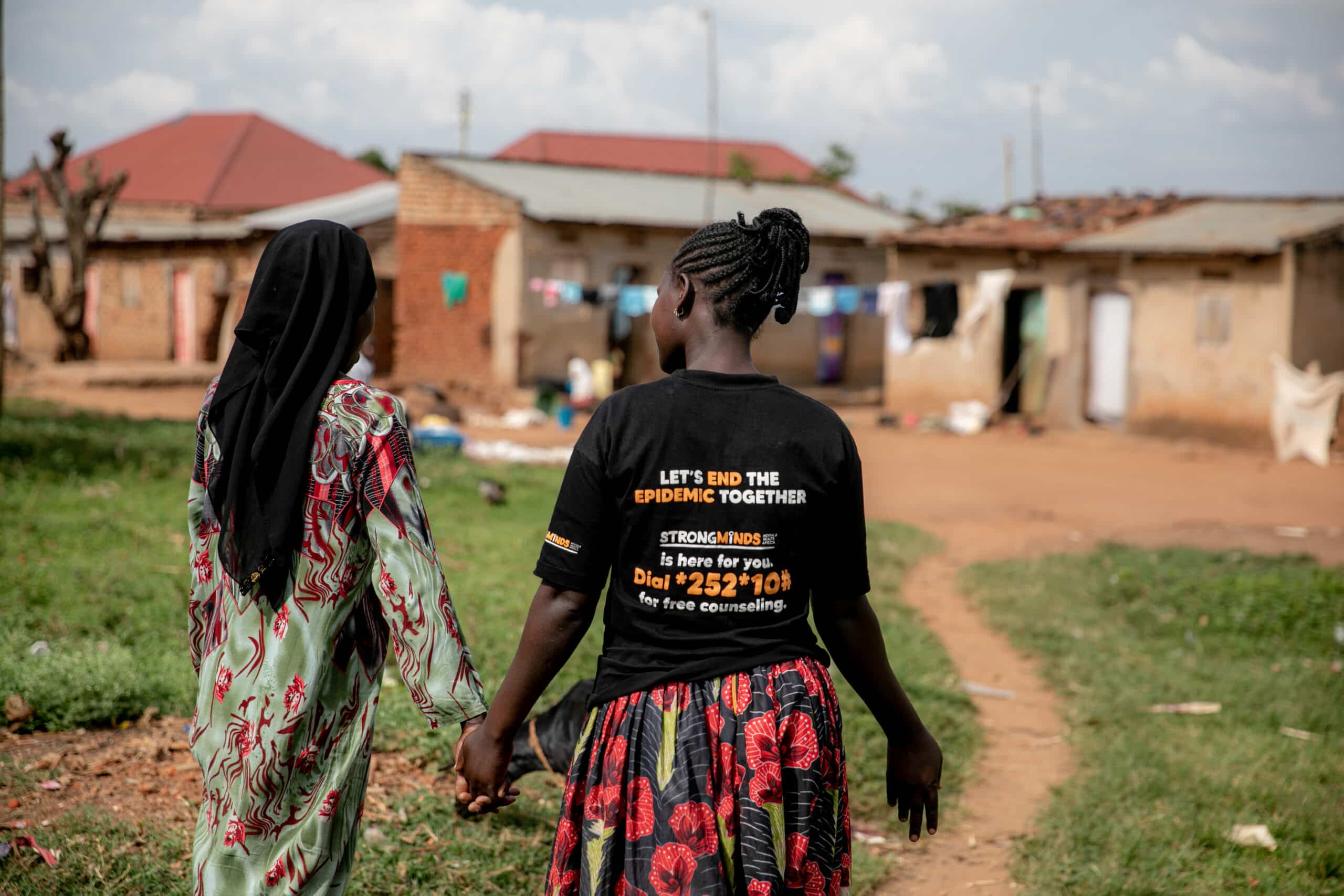
World Suicide Prevention Day: Confronting Depression and Suicide in Africa
Suicide is a major public health concern that touches individuals and families around the world. It is estimated that more than 700,000 people die from…
READ MORE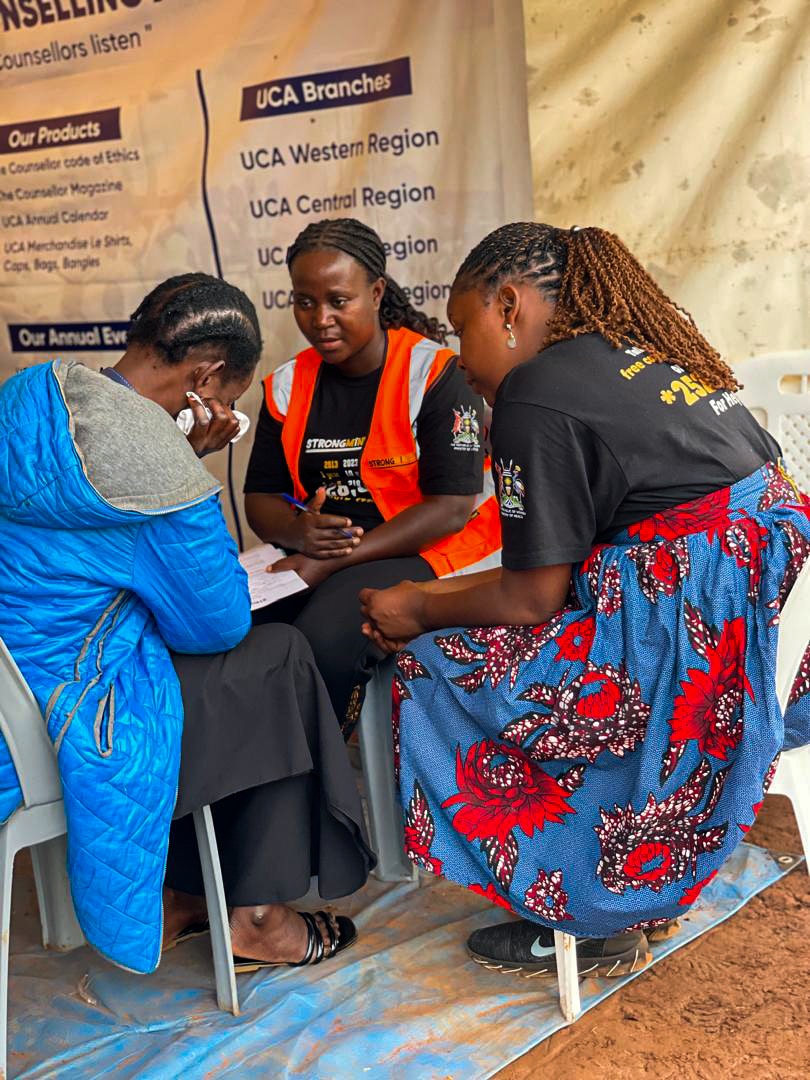
Kiteezi Landslide Highlights Urgent Need for Mental Health Care in Climate Disaster Responses
On August 9, tragedy struck when a mountain of garbage collapsed in Uganda’s capital of Kampala, killing 35 people. The Kiteezi landfill has served as…
READ MORE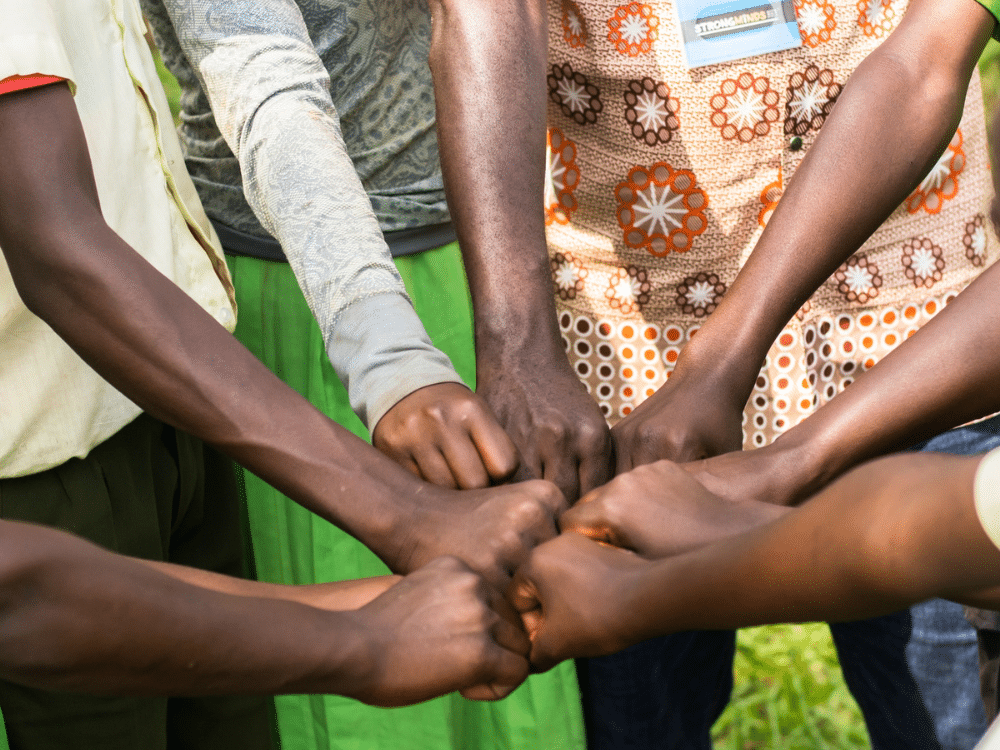
World Refugee Day
World Refugee Day is an opportunity to shed light on the mental health challenges faced by millions of displaced individuals worldwide. Refugees often endure unimaginable…
READ MORE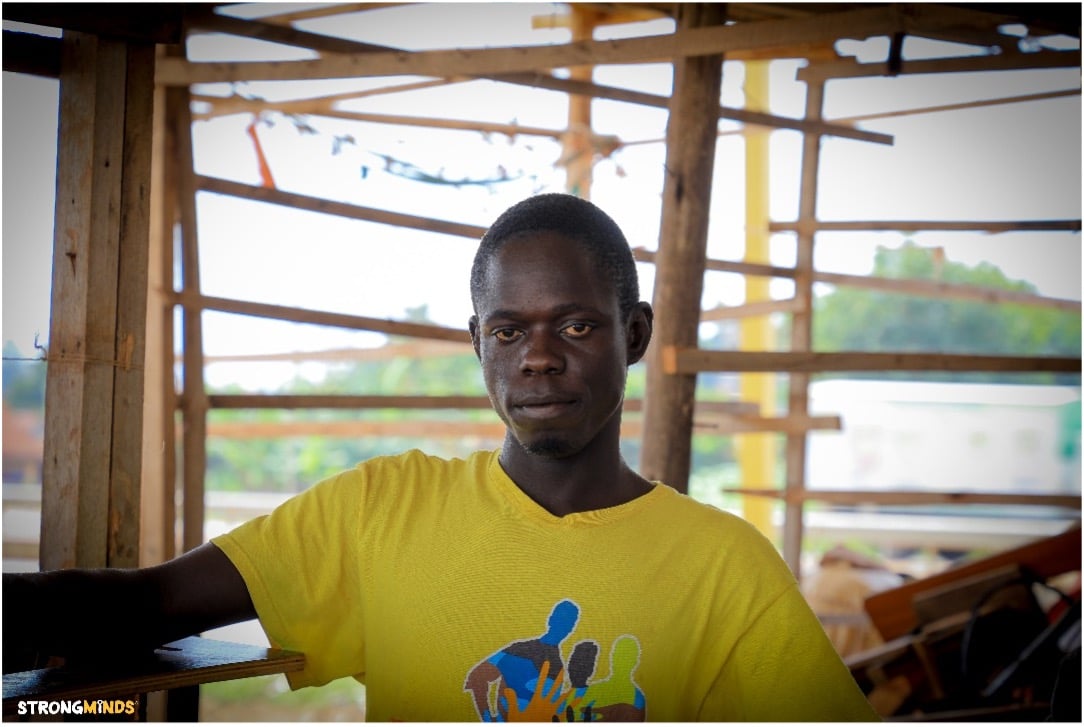
Addressing Male Depression to Transform Families and Communities
Depression affects millions of people worldwide, yet its impact on men remains significantly underreported and undertreated, especially in sub-Saharan Africa where the internalization of masculine…
READ MORE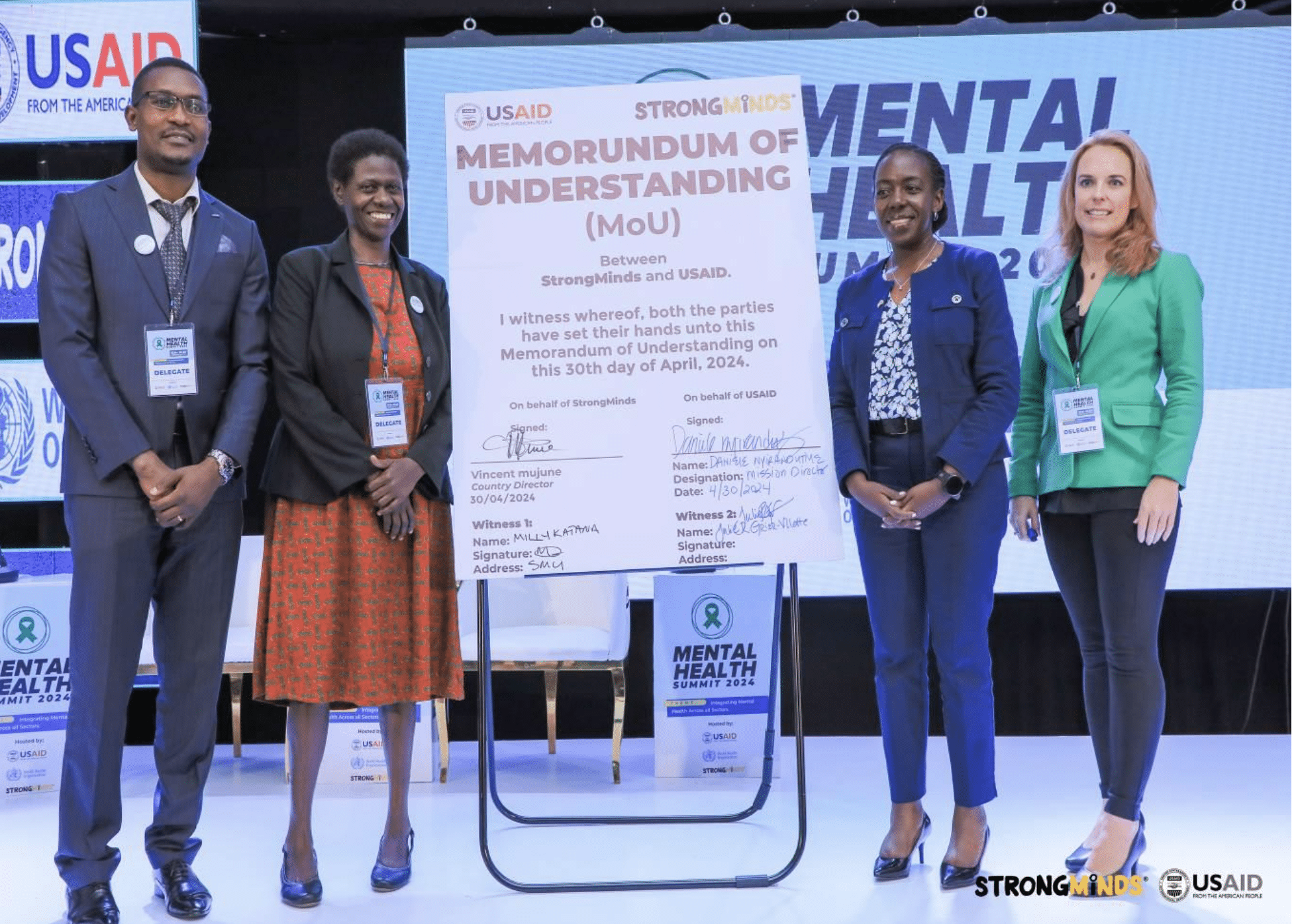
USAID Invests $1 Million in StrongMinds Uganda
This three-year grant represents the US Government’s first-ever investment in mental health in Uganda. The U.S. Agency for International Development (USAID) has announced a three-year,…
READ MORE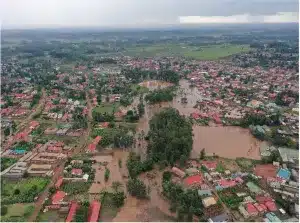
How Climate Impacts Mental Health in Africa
As we enter Earth Month and rally to protect our planet, we need to recognize the profound impact climate change effects can have on mental…
READ MORE
Treating Depression in Prison Populations
We have successfully implemented a pilot program in four prisons in Uganda, accounting for just 10% of the total incarcerated population. The prevalence of severe…
READ MORE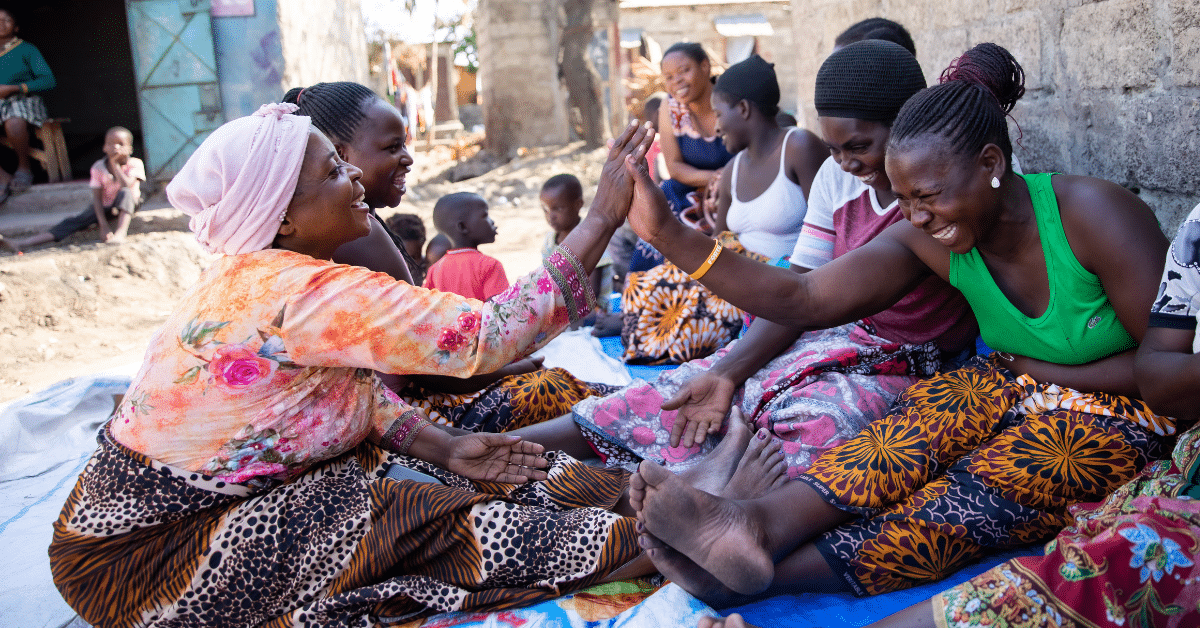
StrongMinds’ Ten-Year Vision
As we celebrated our ten-year anniversary throughout 2023, StrongMinds staff and leadership came together to reflect on our achievements and to define a new globally…
READ MORE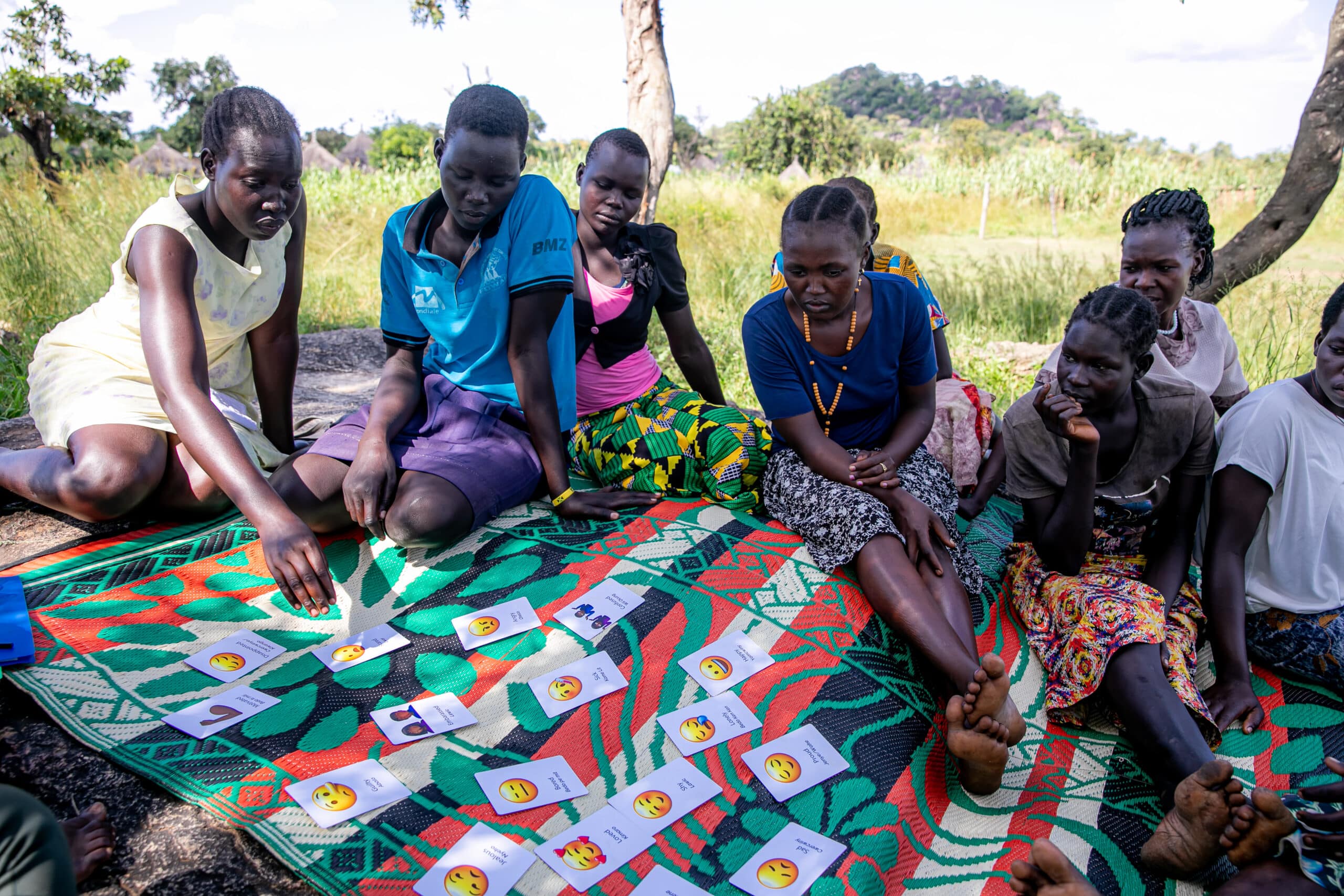
StrongMinds Reaches Half a Million People With Depression Treatment
Kampala, Uganda – Feb 28, 2024 – After ten years of work treating depression through Interpersonal Group Therapy (IPT-G), StrongMinds has provided 500,000 individuals with…
READ MORE
New Research: Six-Week Therapy Yields Improved Results
Since our first therapy groups commenced in 2014, we have sought to develop efficiencies in our therapy model that will allow us to reach more…
READ MORE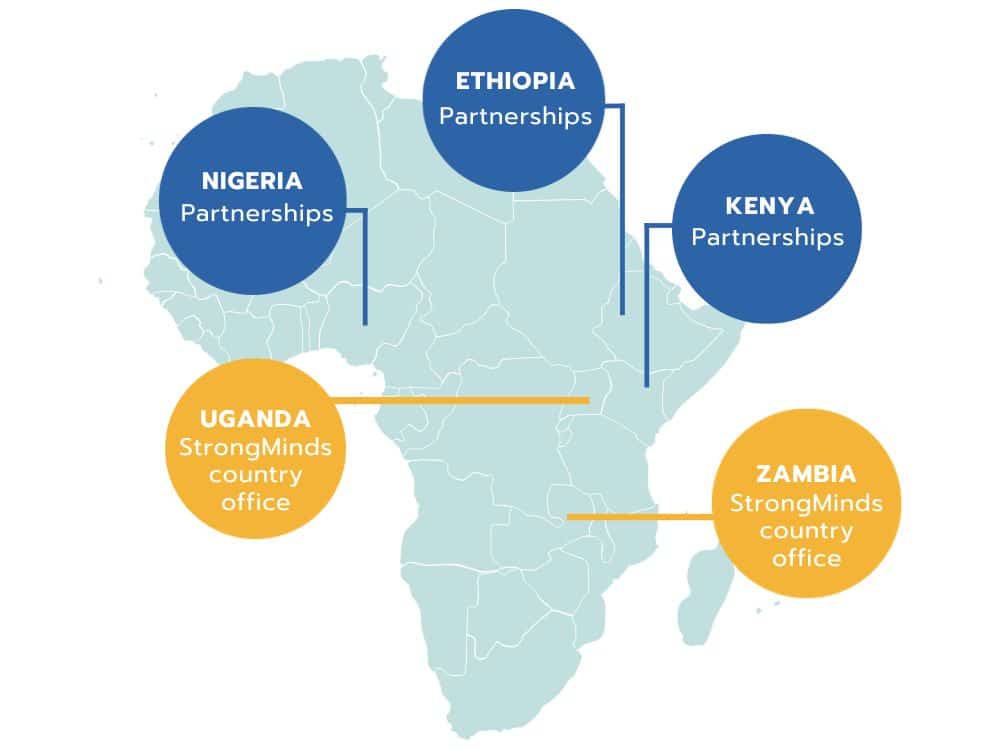
New Partnerships Drive Geographical Expansion
StrongMinds has entered its first-ever government partnership outside of Uganda and Zambia. We recently signed an MOU with Mombasa County in Kenya to train 60…
READ MORE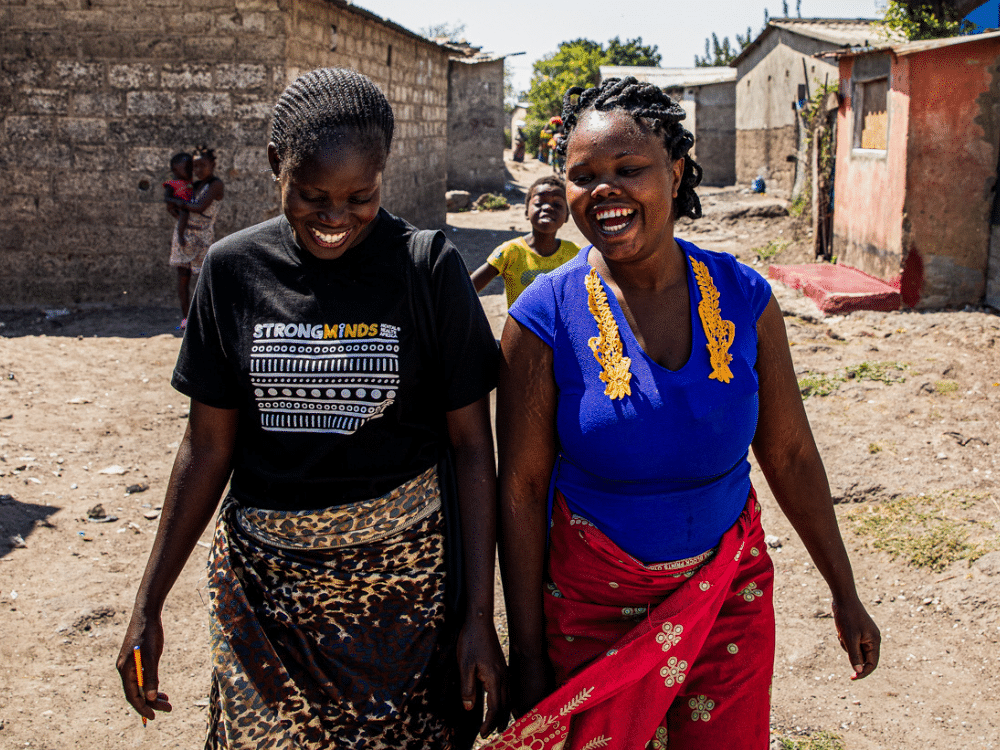
Are Lay Counselors the Next Frontier in Global Mental Health?
Kampala, Uganda – September 19, 2023 – Although 80% of the global population lives in low- and middle-income countries, high-income countries account for 90% of…
READ MORE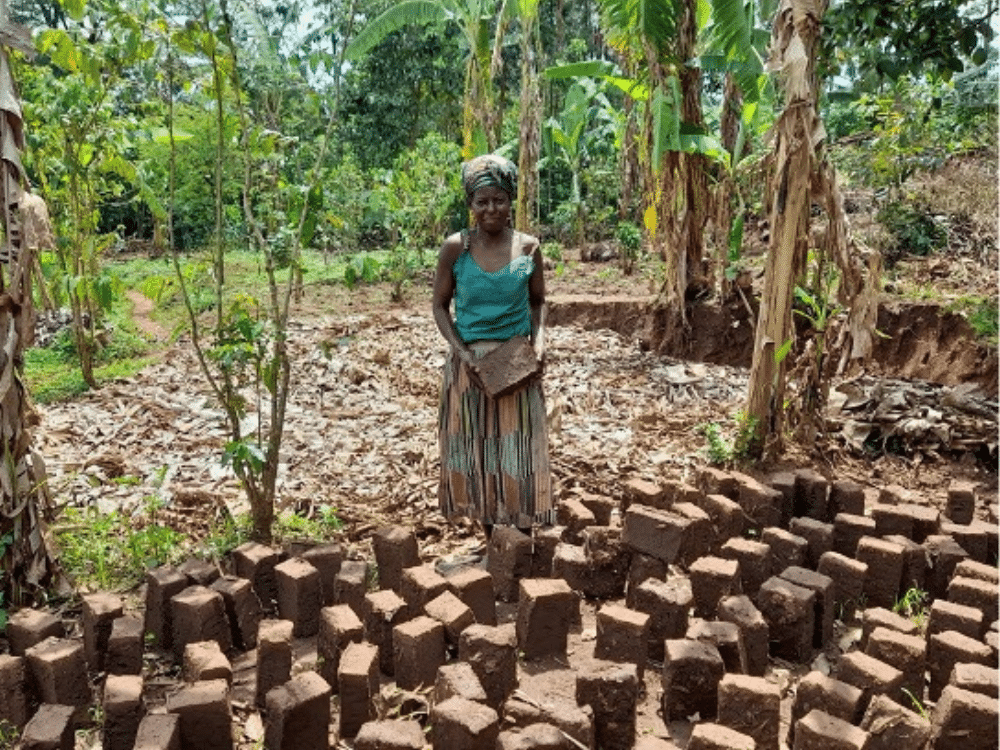
Rebuilding Hope: Overcoming Depression After Devastating Floods
In July 2022, Eastern Uganda’s Mbale District was hit by a catastrophic flood, leaving a trail of ruin and destruction. Susan was just one of…
READ MORE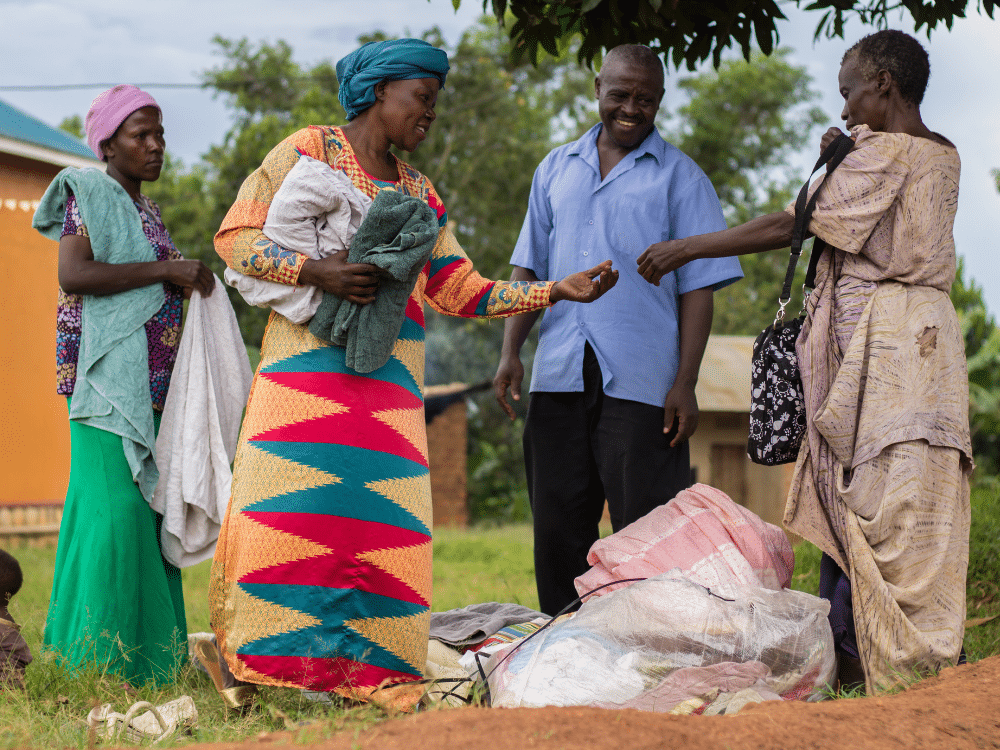
Restoring Mental Health, Improving Livelihoods
Empowering women is essential to reducing poverty and building better economies. When women are mentally healthy, they can contribute to society, achieve financial independence, and…
READ MORE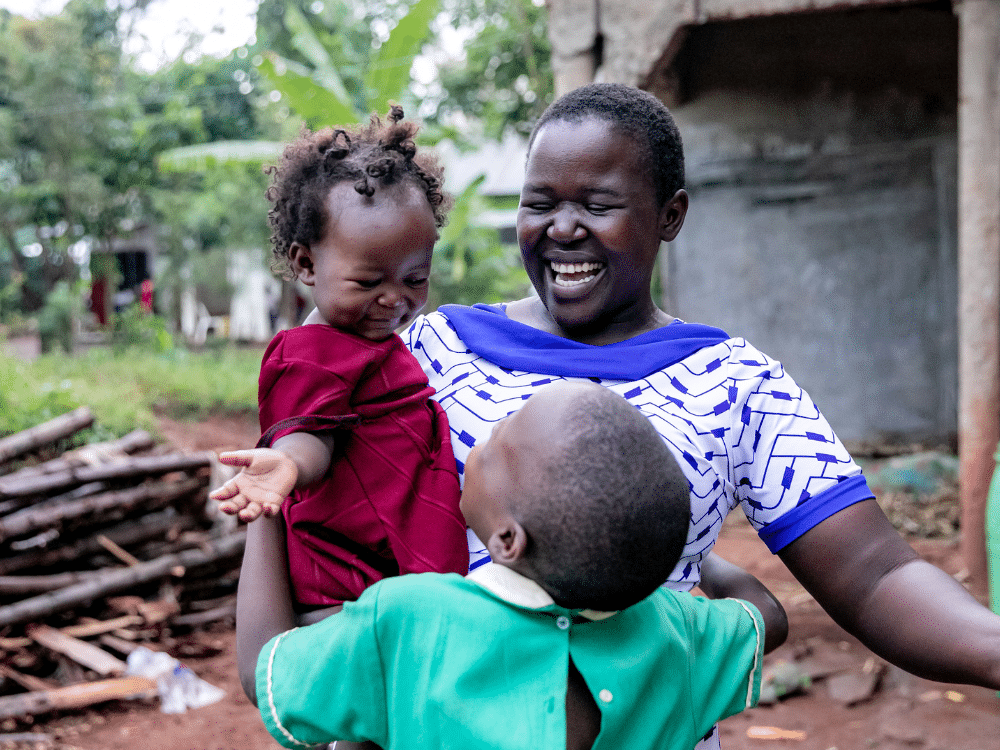
Ten Years of Investing in Mental Health at StrongMinds is Accelerating Global SDG Progress
Kampala, Uganda, February 21, 2023 – Mental healthcare is critical to achieving the United Nations Sustainable Development Goals (SDGs). 2023 marks the halfway point for reaching…
READ MORE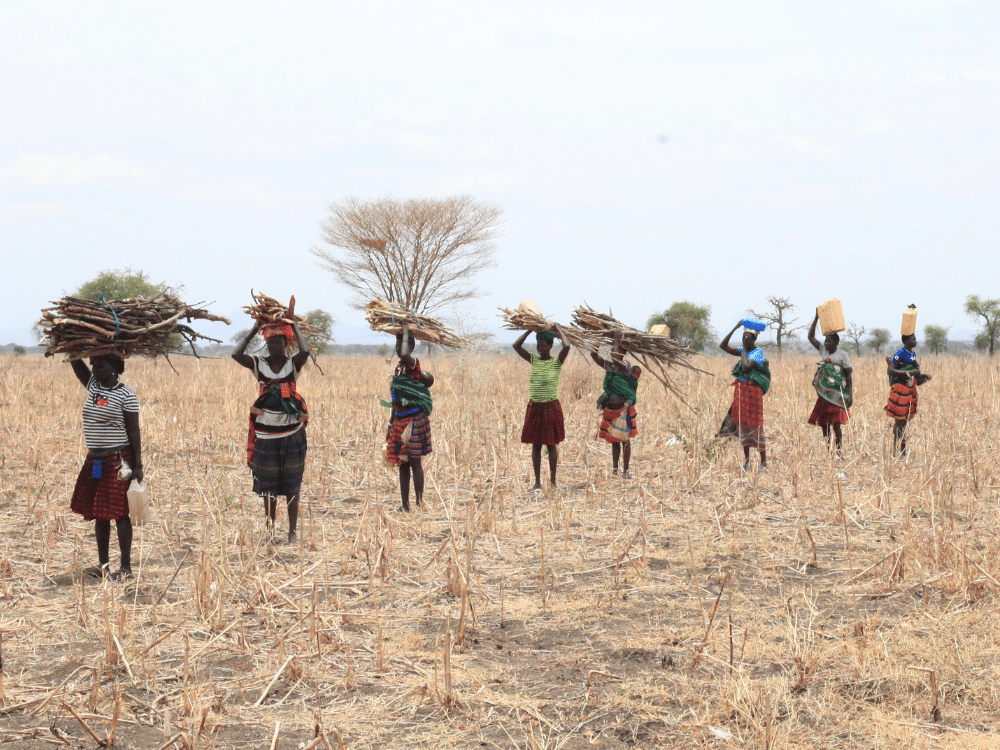
Responding to Climate Disasters and Disease Outbreaks
Climate-related environmental disasters and infectious disease outbreaks are increasingly affecting mental health in Africa. Safety concerns and loss of life, property, or livelihoods can trigger…
READ MORE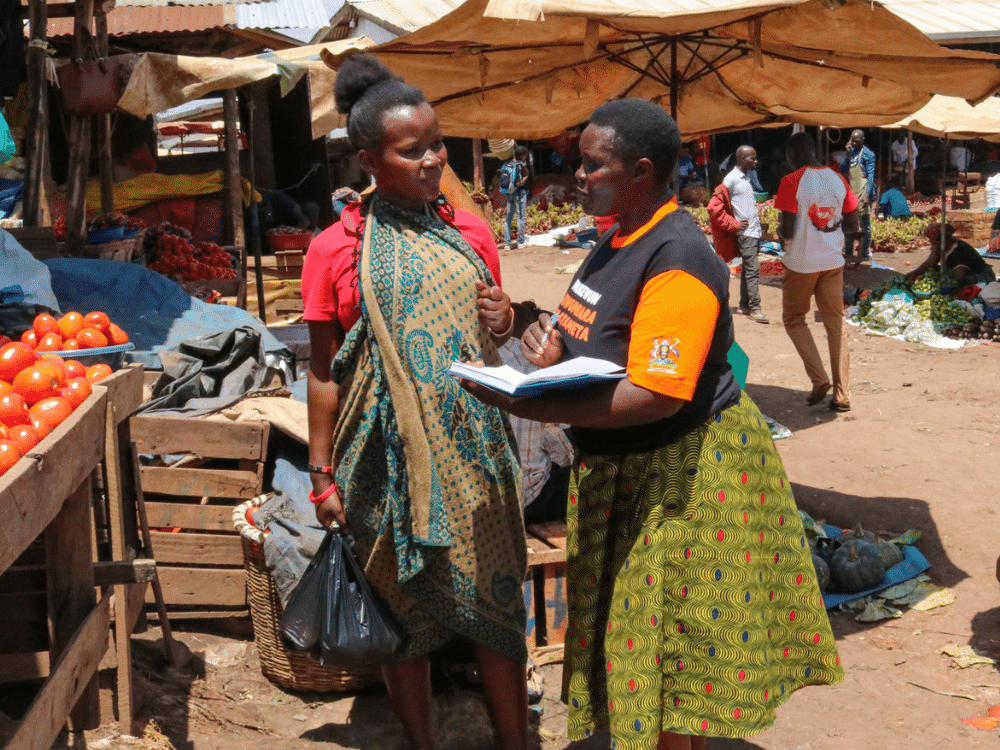
StrongMinds Uganda Celebrates World Mental Health Day
StrongMinds Uganda teams observed World Mental Health Day with several outreach and visibility events throughout October. Kalerwe Market served as the first mobilization site due…
READ MORE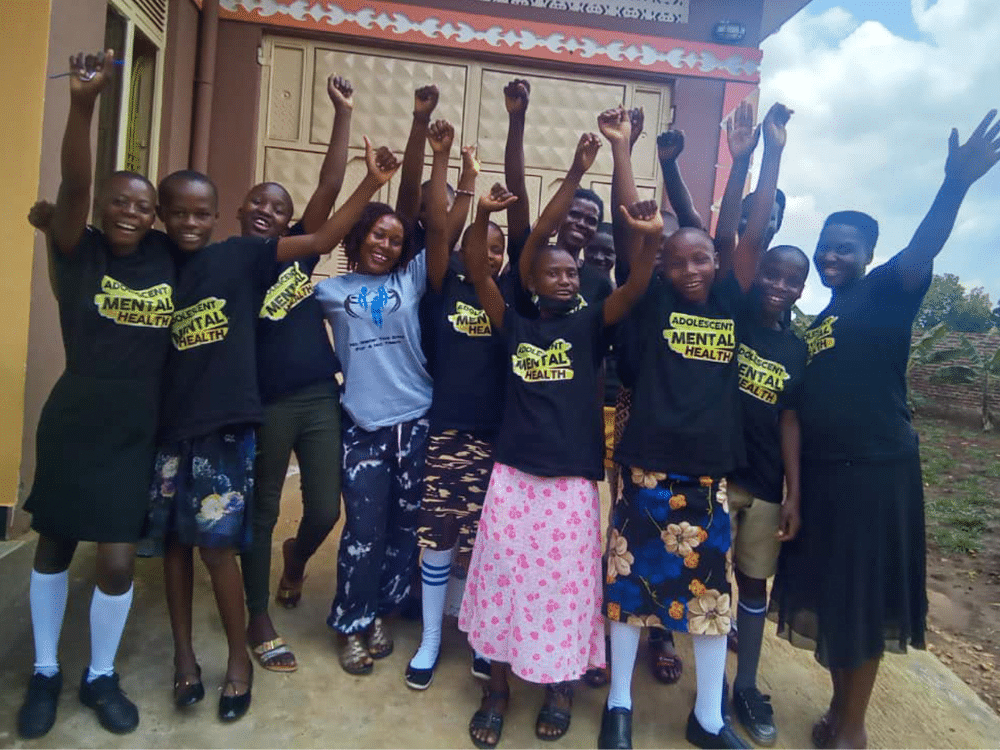
StrongMinds Uganda and Ministry of Education Join Forces to Prioritize Adolescent Mental Health in Schools
Uganda’s Ministry of Education and Sports (MoES) circulated guidelines instructing all academic institutions to implement mental health programming in schools on October 5. The milestone…
READ MORE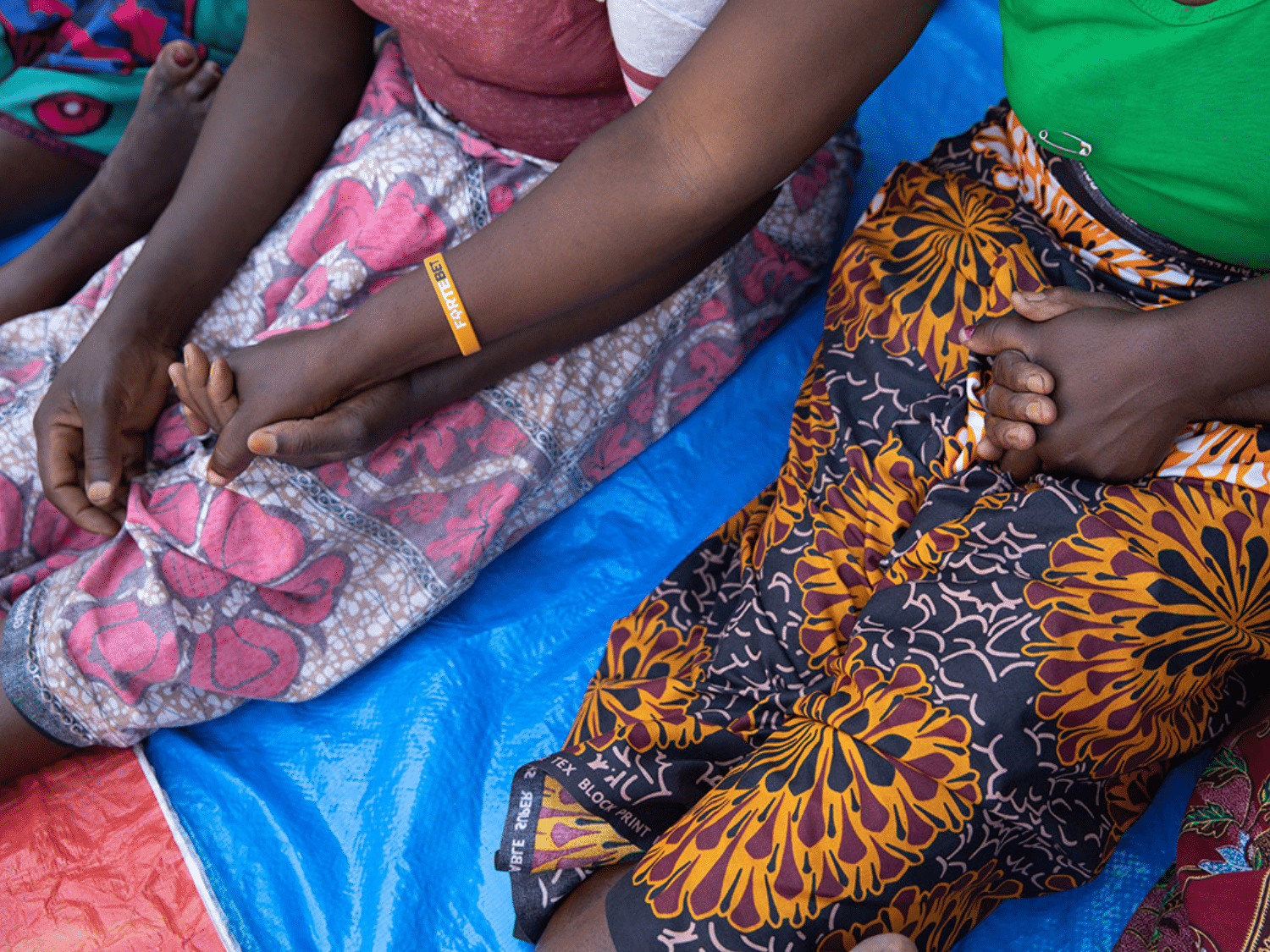
Prossy’s Story of Depression Recovery in Northern Uganda
Prossy is a 30-year-old South Sudanese woman who fled to Uganda with her four children to escape the civil war at home. Her husband had…
READ MORE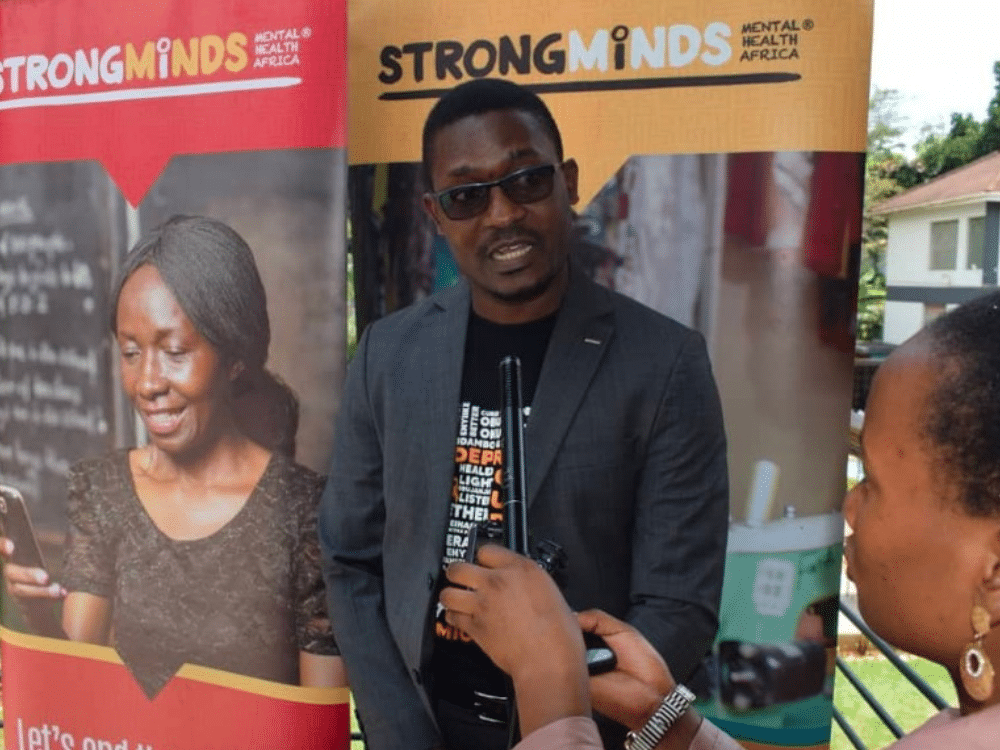
StrongMinds Raises Suicide Awareness on 93.1 Capital FM
By Capital FM News Reporter Kidandi Moses Experts have warned of an urgent need to address growing depression cases across the country, especially in local…
READ MORE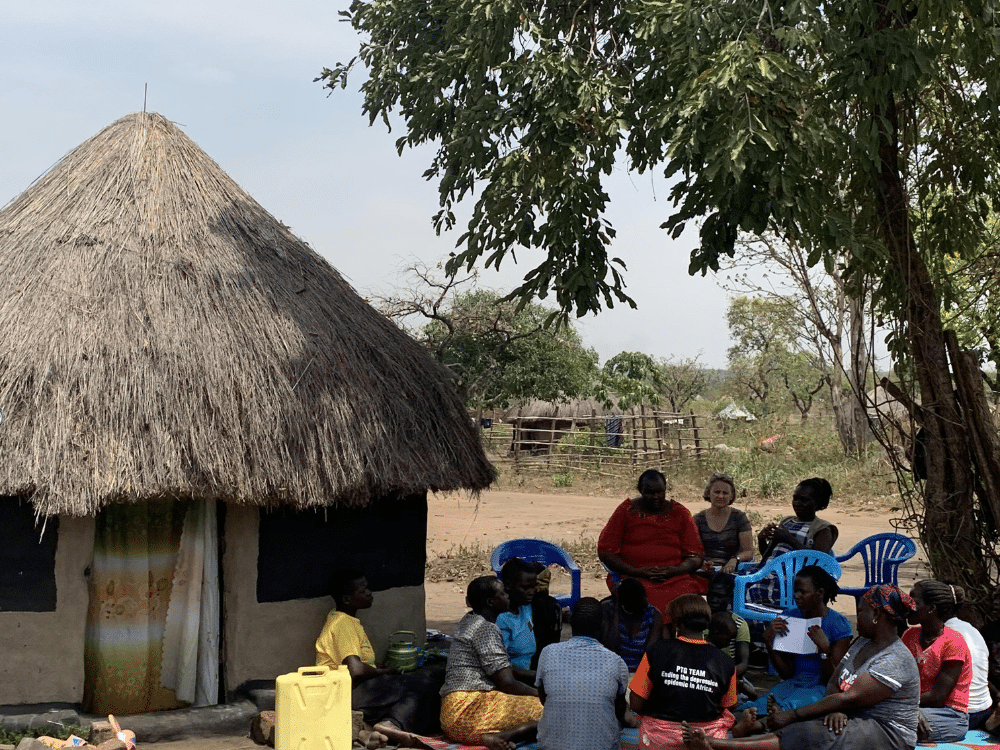
Pamela’s Story: Treating Depression in Refugee Settings
33-year-old Pamela resides in a small village within Lamwo District, Northern Uganda. As a busy mom attempting to manage long-standing medical issues, her days are…
READ MORE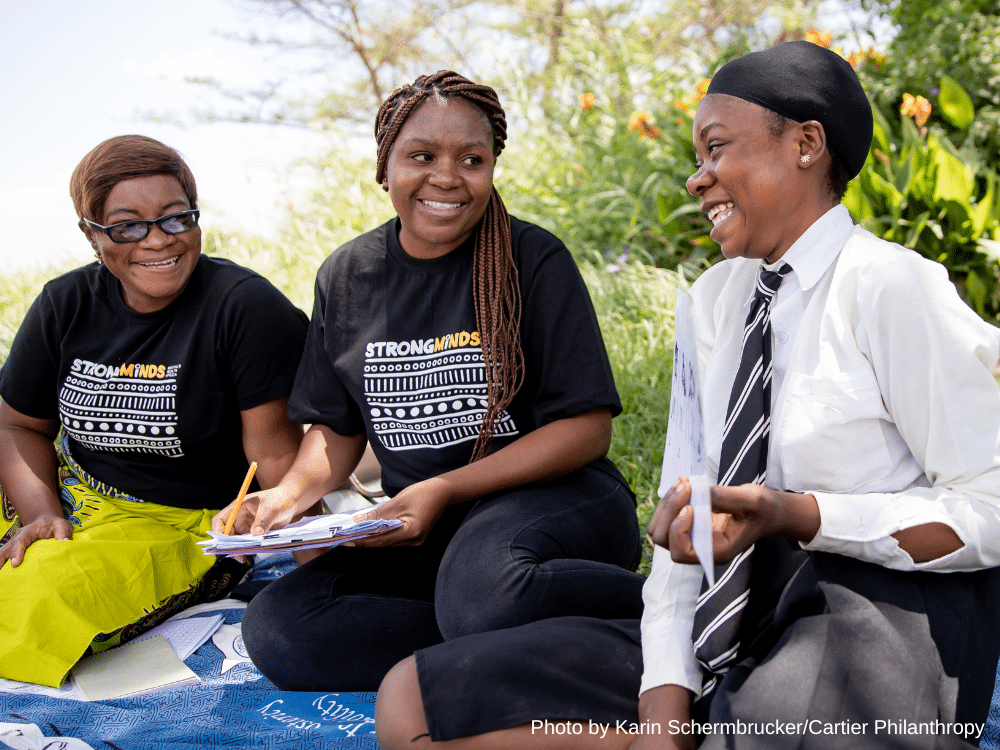
Why Does Mental Health in Africa Matter?
by Rasa Dawson, Chief Development and Communications Officer at StrongMinds Published on the OECD Forum Network’s blog Over the past few years, the impact of…
READ MORE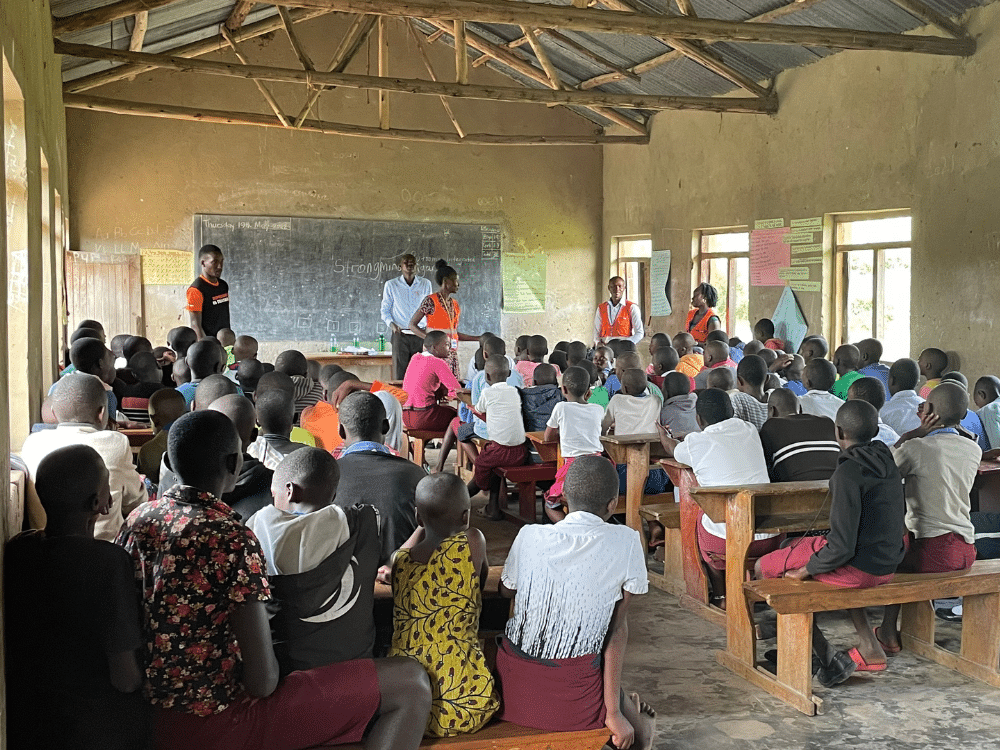
Educator Training Pilot Benefits Students and Teachers in Uganda
In 2021, StrongMinds launched an educator training pilot to explore the potential of instructing teachers to lead group interpersonal psychotherapy (IPT-G) sessions for adolescent students…
READ MORE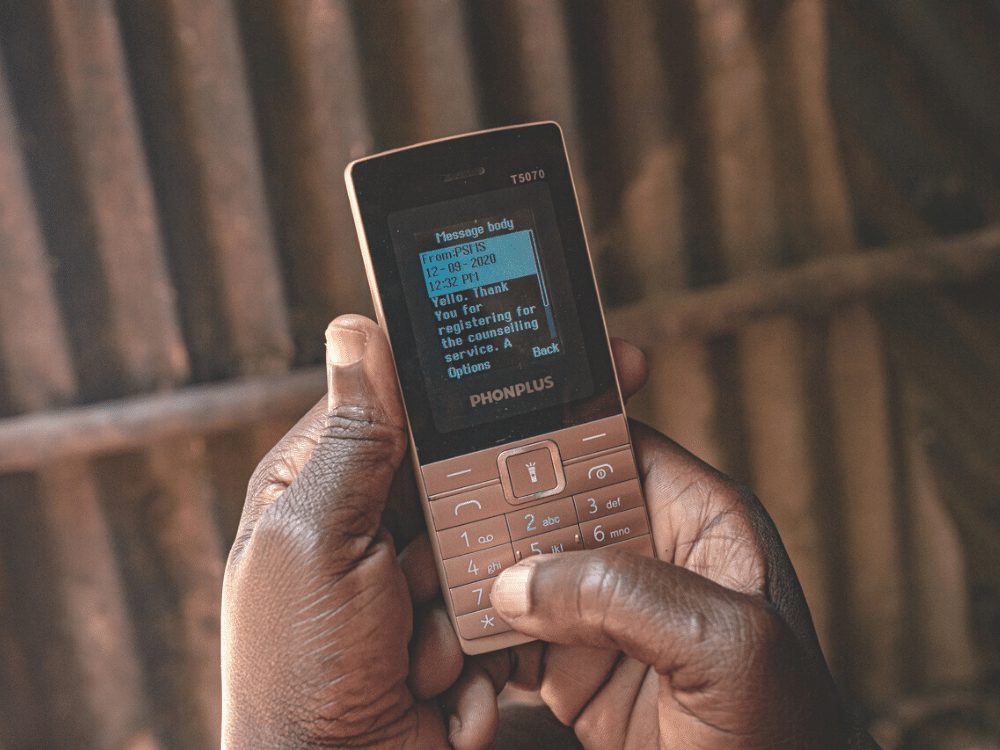
Fueling our work through technology
Building on our successes scaling through teletherapy during the pandemic, StrongMinds has now integrated phone-based technology throughout our operations, enhancing our ability to identify and…
READ MORE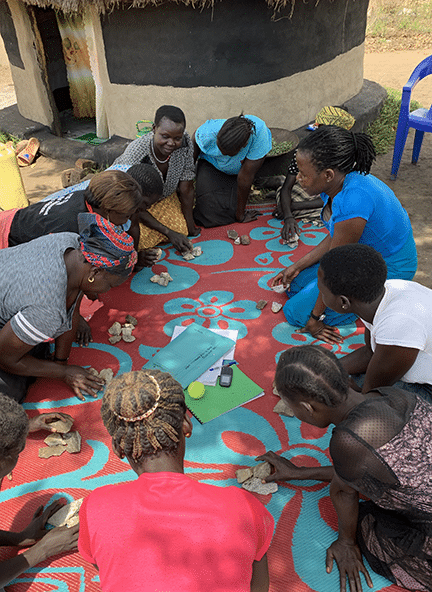
Christina’s Story of Depression Recovery in a Refugee Settlement
Christina lives in a refugee settlement in northeastern Uganda. At 28-years old, she has already endured a lifetime of instability. When her family fled Sudan,…
READ MORE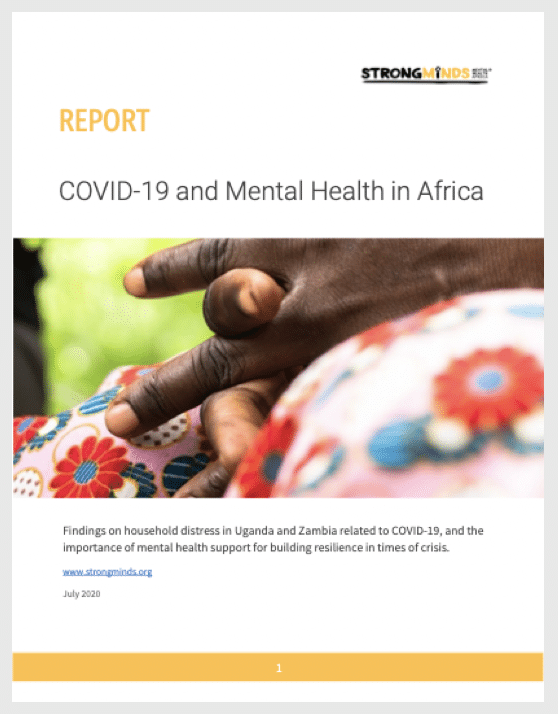
PRESS RELEASE: COVID-19 and Mental Health in Africa
NEW REPORT SHOWS HOUSEHOLD DISTRESS IS ON THE RISE IN UGANDA AND ZAMBIA DUE TO PANDEMIC KAMPALA, UGANDA – The COVID-19 pandemic is triggering an…
READ MORE
Profiles in Adolescent Depression Recovery
Meet Doreen & Jaffar Doreen carries herself confidently, her smile as striking as the bright green dress she wears for her school uniform. But there…
READ MORE