
Resilience After the Outbreak: Supporting Mental Health During Cholera
“People were afraid of me, avoided me, and spread rumors. Even my husband, at first, kept his distance,” said Mildred. Mildred, who lives in Kabwe, Zambia, contracted cholera during the recent epidemic.
Her experience reflects a reality many communities face during infectious disease outbreaks. Beyond physical illness, fear and stigma can spread quickly, leaving people isolated, even after they fully recover.
Unlike many infectious diseases, cholera isn’t spread directly from person to person; instead, it spreads through contaminated food or drinking water. It can cause severe diarrhea and dehydration, and can become life-threatening within hours if untreated. Outbreaks are most likely to occur in places where access to safe water and sanitation is limited and where crowded living conditions make transmission easier.
It remains a serious global health threat, hitting hardest in low-income countries. According to The World Health Organization, there has been a sustained global upsurge in cases since 2021. Zambia has not been spared, facing repeated outbreaks in recent years, including a severe resurgence between 2023 and 2024.
For many people, the impact of cholera doesn’t end when the illness is treated. Fear and misinformation can affect relationships, livelihoods, and emotional well-being, making mental health support especially important during and after outbreaks.
At StrongMinds, we see firsthand how therapy groups can offer people hope, strength, and resilience amid the fear and uncertainty that often intensifies during an outbreak.
Stigma and Social Isolation After Infection
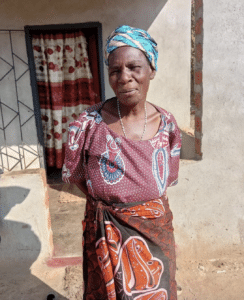
Like Mildred, Mary and her family faced immense stigma in their community while battling cholera.
“When I returned home after treatment, another battle began. The battle against stigma,” Mary shared. “Neighbors avoided me. Shopkeepers refused to accept money from my hands, fearing it carried cholera. Our family of six was isolated; no one allowed their children to play with mine. Even after we had fully recovered, people continued treating us as outcasts.”
Rebecca, another woman who lives in Zambia, experienced something similar when her grandchildren fell sick. She described how the African tradition of communities gathering to support families during illness quickly disappeared once fear of infection took hold.
“Yet, when cholera struck my home, neighbors shut their doors. They told their children not to play with mine,” she said. “People easily labeled us ‘the family with cholera,’ not realizing that the disease had long left.”
For many survivors, the emotional weight of stigma can linger long after physical symptoms fade. Isolation, rejection, and public shame can deeply affect mental health and make recovery even more difficult.
The Psychological Impact of Fear and Shame
In addition to stigma, many people who contract cholera experience intense fear and shame. Because the disease is associated with contaminated water and sanitation challenges, it is often viewed as a “dirty” illness. This perception can leave people feeling embarrassed or blamed for their illness.
Many worry about spreading the disease to loved ones, creating constant anxiety during an already frightening health crisis.
For Sheba, a Zambian school teacher, the fear and shame he felt were as bad as the physical illness. “Cholera not only affected my body, it effected my spirit,” he said. “I felt fear, shame, and even stigma. Some friends, though joking, would say, ‘We fear you because of cholera.’ But deep down, I was frightened because I knew how deadly the disease could be. I locked myself indoors to protect my children, constantly cleaning the toilets and disinfecting surfaces to ensure they were safe.”
Like Sheba, both Mary and Rebecca described deep fear during this period as they worried about the health and safety of their children and grandchildren.
When fear, shame, and uncertainty take hold, the psychological toll can be significant. These experiences can trigger depression or worsen existing mental health conditions.
Livelihoods are Affected
The stigma surrounding cholera can also have serious economic consequences.
For many cholera survivors, fear within the community extends beyond social relationships and into daily lives. When neighbors avoid families affected by the disease, businesses can quickly collapse.
Rebecca shared how neighbors stopped frequenting her tomato stall, afraid they might catch cholera, even after her entire family had recovered.
“My business suffered greatly,” she said. “I still struggle to rebuild trust with customers.”
Mary experienced something similar. Her small home business collapsed after her family fell ill, leaving her feeling devastated and uncertain about how she would support her household.
When livelihoods disappear, the sense of stability and security that families depend on disappears as well. The loss of income, combined with stigma and isolation, can create a powerful emotional burden that pushes many people toward depression.
The StrongMinds Impact
Despite the stigma, fear, shame, and loss many people experienced during the cholera outbreak, StrongMinds therapy groups offered survivors a space to process what they had been through.
Although Mary described this time as devastating for her family, she also found strength in therapy.
“StrongMinds had prepared me for moments like this,” she said. “Therapy had taught me acceptance and resilience. Instead of allowing stigma to destroy me, I chose to fight back with knowledge and courage. I encouraged my children not to hide in shame.”
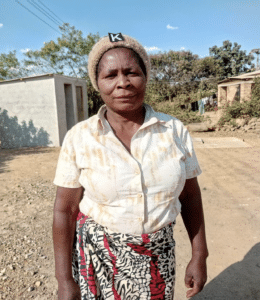
Rebecca also credits StrongMinds therapy with helping her navigate the stigma her family faced.
“Even through this trial, I continue to hold my head high,” she said. “Therapy taught me to accept challenges and keep moving forward. My mission now is to help others face not only depression, but also the weight of stigma and isolation. Because if I could rise again, then so can they.”
For Sheba, StrongMinds therapy groups provided hope during some of his darkest moments. While cholera attacked his body, the support he received helped him rebuild his confidence and emotional strength.
“Today, I stand as a survivor, not just of cholera, but of fear, stigma, and weakness,” he said. “I share my story so others may know that cholera is preventable, and that with the right hygiene practices, early medical care, and a strong mindset, recovery is possible. Most importantly, I want people, especially young learners, to understand that no matter how difficult the challenge, hope and strength of mind can carry you through.”
By addressing both the emotional and social challenges people face during crises such as cholera outbreaks, StrongMinds helps communities recover not just physically, but mentally as well.